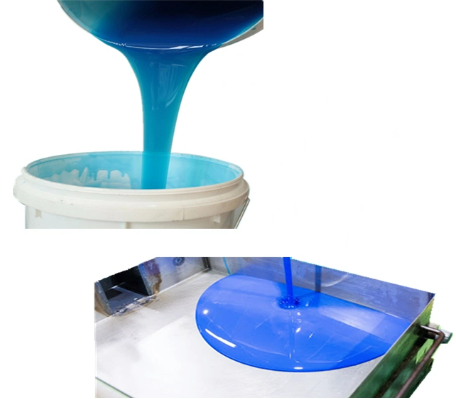
The very trait making Silicone putty highly effective—its durable, flexible, cross-linked polymer structure—makes it notoriously difficult to remove. You might hope for a simple, instant solution. However, no easily accessible chemical will instantly "melt" cured silicone into a liquid. "Dissolving"
Engineers, manufacturers, and lab technicians must rigorously verify material safety before integrating polymers into demanding environments. High-heat, electrical, and sensitive applications leave no room for error. You must understand material behaviors thoroughly to prevent catastrophic failures.
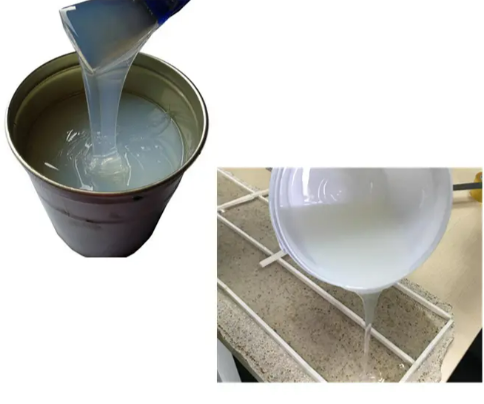
Prototyping and custom mold-making often hit a wall of complexity. Creators face a steep barrier when dealing with messy liquids, vacuum degassing chambers, and complex weighing scales. You need a fast, user-friendly way to create durable molds without heavy equipment overhead. Traditional pourable
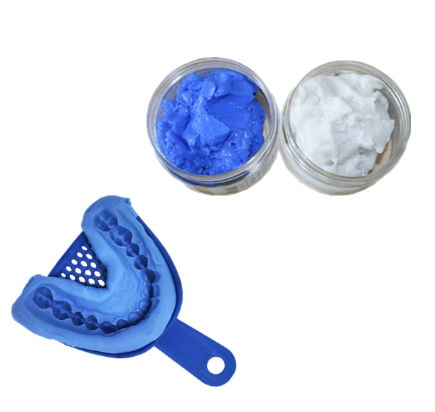
Custom mold making often involves messy liquid silicones and unpredictable curing times. Fortunately, Silicone putty offers a rapid, tool-free alternative. You completely skip the digital scales, degassing vacuum chambers, and frustrating overnight waits. Despite this simplicity, users frequently fa
Yes, two-part moldable silicone putty does harden into a solid form. However, it never becomes rock-hard. Instead, it cures into a durable, flexible rubber. Many people confuse professional two-part products with single-part toy putties. Those toy versions never dry out or cure. This renders them us
Custom molds serve as the backbone for rapid prototyping, concrete casting, and part replication. Creators often hit a wall when commercial two-part silicone systems become too expensive for large or iterative projects. You need a scalable solution to keep production moving.Fabricating your own Sili


