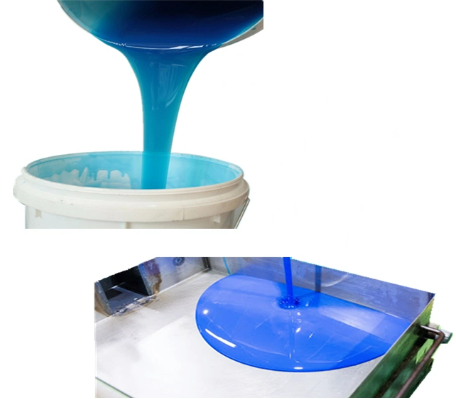
The very trait making Silicone putty highly effective—its durable, flexible, cross-linked polymer structure—makes it notoriously difficult to remove. You might hope for a simple, instant solution. However, no easily accessible chemical will instantly "melt" cured silicone into a liquid. "Dissolving"
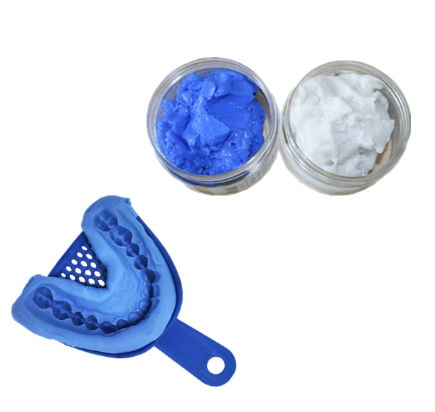
Engineers, manufacturers, and lab technicians must rigorously verify material safety before integrating polymers into demanding environments. High-heat, electrical, and sensitive applications leave no room for error. You must understand material behaviors thoroughly to prevent catastrophic failures.
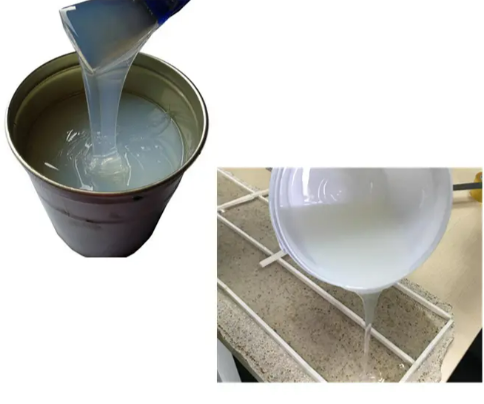
Prototyping and custom mold-making often hit a wall of complexity. Creators face a steep barrier when dealing with messy liquids, vacuum degassing chambers, and complex weighing scales. You need a fast, user-friendly way to create durable molds without heavy equipment overhead. Traditional pourable
Custom mold making often involves messy liquid silicones and unpredictable curing times. Fortunately, Silicone putty offers a rapid, tool-free alternative. You completely skip the digital scales, degassing vacuum chambers, and frustrating overnight waits. Despite this simplicity, users frequently fa
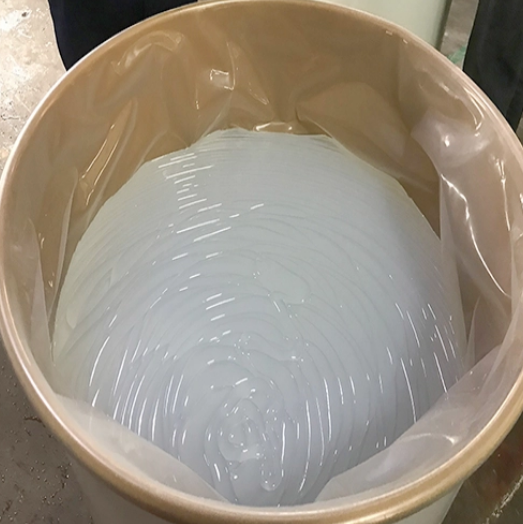
Engineers and procurement teams face constant pressure to optimize equipment maintenance. They frequently ask if Silicone Oil dries out over time. This question heavily impacts component lifespan and total cost of ownership (TCO) across entire production facilities. Chemically, this fluid does not e
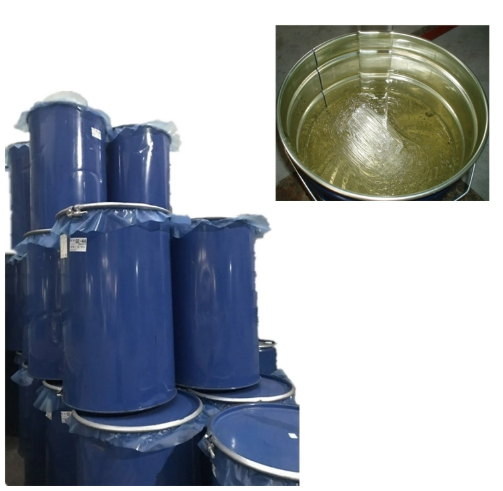
Under standard ambient and low-pressure conditions, commercial silicone fluids do not evaporate at an appreciable rate. Many operators assume these polymers remain entirely static inside dynamic machinery. Engineers frequently rely on this exact permanence for continuous high-temperature vacuum oper


