Views: 178 Author: Site Editor Publish Time: 2026-06-26 Origin: Site


The very trait making Silicone putty highly effective—its durable, flexible, cross-linked polymer structure—makes it notoriously difficult to remove. You might hope for a simple, instant solution. However, no easily accessible chemical will instantly "melt" cured silicone into a liquid. "Dissolving" in this context actually refers to chemically breaking polymer bonds. This process softens the material for safe, mechanical extraction.
Our objective is to provide a professional-grade, sequential methodology. We will teach you how to safely remove moldable silicone putty without damaging your underlying substrate. You will also learn how to avoid compromising future surface adhesion. By combining targeted chemical softeners and correct mechanical tools, you can completely purify the surface. Keep reading to master this essential restoration skill.
Effective removal requires a hybrid approach: initial mechanical reduction followed by targeted chemical softening.
Tool selection is dictated by the underlying surface; prioritizing plastic edge-tools over metal razors prevents irreversible damage to sensitive finishes like enamel or acrylic.
Common household solvents (like WD-40 or Isopropyl Alcohol) are highly effective at breaking silicone bonds, but require strict "dwell times" to function.
Complete surface purification post-removal is mandatory; trace solvent or silicone residue will definitively cause subsequent paints, stains, or adhesives to fail.
Many people start their restoration projects by grabbing a scraper and forcefully tearing at the old sealant. This physical-only approach almost always fails. Understanding the chemistry behind this failure saves you immense time and frustration.
Cured moldable silicone putty retains a permanent elastomeric nature. The cross-linked polymer chains stretch and flex rather than shatter. When you pull or tear the material physically, it experiences structural snapping. The bulk of the putty might come away in your hand. However, a micro-thin, highly adhesive layer inevitably remains bonded to the substrate. The sheer tensile strength of the silicone exceeds the grip of standard scraping tools.
You cannot ignore these microscopic remnants. Silicone possesses an incredibly low surface energy. This creates an intense anti-adhesive property. Even invisible traces of silicone will aggressively repel new liquid coatings. If you attempt to apply new glue, wood stains, paints, or replacement sealants over these remnants, the new application will immediately separate. Industry professionals call this "fish-eyeing" or complete adhesion failure.
To defeat the micro-layer, you must rely on chemical digesters. Frame these agents not as magic erasers, but as specific "bond breakers." When applied correctly, these solvents penetrate the polymer chains. They swell the silicone matrix and force the cross-linked bonds to relax. This chemical swelling releases the material's structural grip on the substrate. It transforms a tough rubber into a manageable, gummy paste.
Successful removal requires a precise combination of chemical softening agents and mechanical extractors. Selecting the wrong combination can permanently destroy your work surface.
Different environments demand different solvents. You must evaluate your workspace before pouring any chemicals.
Commercial Silicone Eaters: These represent the best option for absolute removal on tough, heavily cured projects. They feature active digestive enzymes or strong acids. They require long dwell times, often taking 2–3 hours to fully penetrate thick beads.
WD-40 (DIY Alternative): This household staple serves as a highly effective penetrating lubricant. It works remarkably well as a softening agent for stubborn residue. It seeps under the silicone edges and breaks the adhesive bond. However, WD-40 introduces mandatory, rigorous degreasing requirements post-use.
Isopropyl Alcohol (IPA) / Mineral Spirits: These solvents prove excellent for non-porous surfaces and bare metals. They act quickly to swell thin silicone layers. They also flash off (evaporate) very rapidly, leaving minimal residue behind.
Your extractor dictates the physical safety of your substrate. Always match the tool hardness to the surface hardness.
Rigid Putty Knife: This offers a high-torque solution for initial bulk removal. Use it to sheer off the thickest sections of the putty mass.
Plastic Serrated Knife / Nylon Scraper: This represents the gold standard for risk-averse removal. You should always use this around acrylic tubs, fiberglass, or delicate wood molding. The plastic remains hard enough to lift the putty, but soft enough to prevent deep gouges.
Utility Blades / Razors: These offer a high-risk, high-reward approach. You must reserve metal razors exclusively for glass or completely flat, unglazed ceramics. A single slip will deeply scratch softer materials.
You can drastically reduce your reliance on harsh chemical solvents by using thermal assistance. Grab a standard household hair dryer. Apply low, consistent heat to the putty for several minutes. This physical warmth softens the elastomeric polymers. It makes the initial mechanical lift much easier and creates larger access channels for your subsequent chemicals.
Best Practice: Always test your chosen chemical agent on a hidden section of your substrate to ensure it does not cause discoloration.
Common Mistake: Rushing to use a metal razor blade on an enameled bathtub. This is the fastest way to cause hundreds of dollars in permanent damage.
Tool and Agent Comparison Summary
Tool / Agent | Primary Function | Best For | Risk Level |
|---|---|---|---|
Commercial Remover | Deep bond breaking | Thick, old silicone layers | Low (if surface matched) |
WD-40 | Lubrication & edge lifting | Stubborn micro-residue | Medium (requires degreasing) |
Nylon Scraper | Safe physical scraping | Acrylic, fiberglass, wood | Low |
Metal Razor | Precision slicing | Glass, flat ceramic tiles | High |
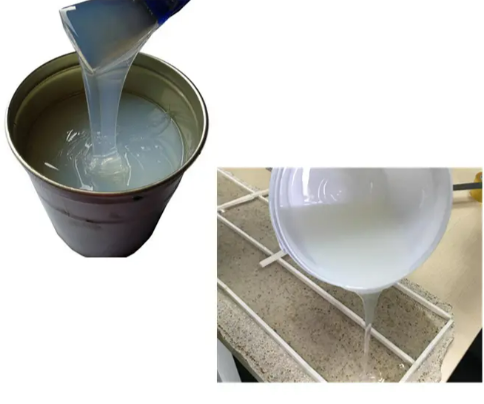
Follow this standard operating procedure to safely and completely clear the area. Rushing these steps usually guarantees substrate damage or adhesion failure later.
Begin by cutting off the structural tension. Use a utility blade to carefully cut along the parallel bond lines of the silicone putty. You want to sever the connection between the putty and the surface edges. This physical cut breaks the internal tension. More importantly, it creates deep access channels. These channels allow your liquid solvent to reach the bottom adhesive layer.
Next, strip away the primary mass. Insert a putty knife or plastic scraper under the scored edge. Push forward while lifting gently. Peel the putty back in long, continuous strips if possible. Your goal here is not perfect cleanliness. You simply aim to remove the bulky mass and leave only the thinnest possible layer of residue for the chemicals to handle.
Now, saturate the remaining putty layer with your chosen solvent. You can use your commercial remover, WD-40, or mineral spirits. Apply it generously along the scored channels and directly over the remaining residue.
Critical Execution: You must enforce the required dwell time. Depending on the chemical agent, wait anywhere from 15 to 60 minutes. Do not touch the surface during this time. Premature scraping completely negates the chemical advantage. The solvent needs time to swell the polymers.
Once the dwell time elapses, the silicone will look swollen and feel gummy. Use a non-abrasive scrubbing pad to agitate the dissolved residue. For highly durable surfaces, you can use a brass brush. For tight corners, an old toothbrush works perfectly. Scrub in tight, circular motions until the gummy residue lifts completely from the surface pores.
Treating every surface identically guarantees disaster. You must adapt your removal strategy based on the porosity and hardness of the underlying material.
Wood presents a severe risk because silicone easily seeps into the grain. Aggressive physical scraping will gouge the wood fibers and ruin the finish. We recommend the WD-40 and brass brush hack here. Apply the WD-40, let it sit, and use the brass brush with very light pressure. Follow the wood grain to gently pull the gummy residue out of the pores without splintering the timber.
Bathrooms frequently feature acrylic and fiberglass fixtures. You must strictly prohibit heat guns and aggressive hot solvents near these materials. Industrial heat melts the plastic. Strong solvents will permanently fog the glossy finish. You must mandate plastic scrapers only. Use mild mineral spirits or specialized gentle removers, and let time do the heavy lifting.
Natural stone is highly reactive. Warn anyone attempting this: avoid acidic DIY remedies like heavy white vinegar. Acid instantly etches marble and limestone, leaving permanent dull spots. Before applying any neutral solvents, use painter's tape to mask off the surrounding stone. This limits the chemical exposure exclusively to the grout or joint line.
Glass is incredibly hard. Metal razors are perfectly acceptable on glass, provided you hold the blade at a low, flat angle. However, treat enamel bathtubs or sinks differently. A single chipped glaze from a stray metal tool creates a restoration nightmare. The repair cost for chipped enamel far exceeds the effort saved by rushing the removal. Stick to plastic tools for enamel.
Surface Mitigation Quick Reference
Surface Material | Approved Tool | Approved Chemical | Primary Danger |
|---|---|---|---|
Wood | Brass Brush / Plastic Scraper | WD-40 / Mineral Spirits | Grain gouging, deep pore seepage |
Acrylic | Plastic Serrated Knife | Mild Mineral Spirits | Surface melting, finish fogging |
Natural Stone | Nylon Scraper | Neutral Commercial Solvents | Acid etching from DIY vinegar |
Glass | Metal Razor (Low Angle) | IPA / Acetone | Deep scratching if angled poorly |
Removing the visible silicone only represents half the battle. If you stop at the extraction phase, your next application will fail.
Chemical solvents, especially penetrating oils like WD-40, act as powerful release agents. They are designed to prevent things from sticking. If you leave solvent residue behind, new putty, sealant, or paint will immediately fail to bond. This chemical contamination ruins restoration projects daily.
You must actively extract the solvent. First, wash the entire area with hot water and a high-surfactant dish soap. The soap breaks down the oily chemical barriers. Wipe the area thoroughly with clean paper towels. Next, perform a final wipe-down using pure Isopropyl Alcohol (IPA). The alcohol neutralizes remaining oils and ensures rapid evaporation, leaving a bone-dry surface.
How do you know the surface is truly ready? You use the industry-standard validation test: the water-break-free test. Mist clean water over the prepared surface. If the water beads up into tiny droplets, silicone or solvent residue still remains. The surface tension is still broken. If the water sheets off uniformly in one continuous, unbroken film, the surface is medically clean. It is now fully ready for new application.
Sometimes, microscopic residue stubbornly clings to porous surfaces despite chemical baths. In these extreme cases, we recommend micro-abrasion as a final resort. Take a very light pass over the affected area with fine-grit sandpaper (400-grit or higher). This physically removes the top microscopic layer of the substrate. Follow this immediately with a damp cloth wipe to collect the dust.
Successfully dissolving and removing this material requires strategic patience. By understanding the flexible nature of polymers, you realize why aggressive physical scraping always falls short. Allowing chemical softeners adequate dwell time drastically reduces your physical labor. It also minimizes the critical risk of destroying your underlying surface.
Before you begin your next project, carefully evaluate your specific surface type. Choose your solvent and scraper combination based on substrate hardness and porosity. Execute the bulk lift, enforce your chemical dwell times, and never skip the final degreasing protocol. By following these steps, you guarantee a flawless, purified surface ready for years of renewed performance.
A: White vinegar contains acetic acid which can slightly soften uncured or very fresh silicone. However, it is largely ineffective as a primary dissolving agent for fully cross-linked, old silicone putty. Furthermore, vinegar risks permanently etching sensitive natural stone surfaces like marble.
A: Depending on the specific chemical formulation and the thickness of the residue, softening times vary greatly. It takes anywhere from 15 minutes for light, thin films to 3 hours for thick, stubborn patches. Always check the manufacturer label for exact dwell times.
A: Silicone is highly anti-adhesive due to its low surface energy. Even microscopic, invisible residue left deep in the pores of wood or drywall will repel liquid coatings and adhesives. Complete chemical purification and degreasing are mandatory before any re-application.
A: A standard household hair dryer is safe and helpful for initial softening. However, industrial heat guns pose severe risks. They easily scorch wood, melt adjacent plastic or acrylic fixtures, and warp delicate materials. Moderate, localized heat remains the safest thermal approach.


