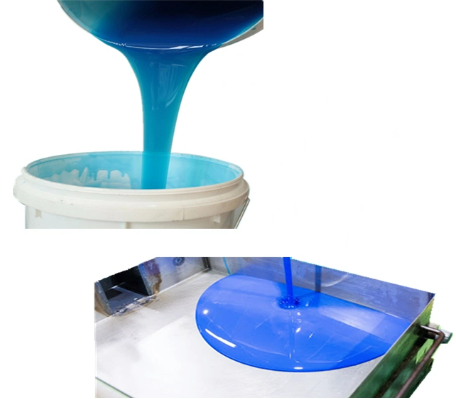
The very trait making Silicone putty highly effective—its durable, flexible, cross-linked polymer structure—makes it notoriously difficult to remove. You might hope for a simple, instant solution. However, no easily accessible chemical will instantly "melt" cured silicone into a liquid. "Dissolving"

● A squishy toy is not automatically toxic; safety depends on the material system and manufacturing quality. ● Low-grade foam squishy toy products may age faster, shed surface particles, or develop odor and tackiness. ● Silicone-based squishy toy materials are often preferred for better stability, cleaner touch, and more consistent rebound. ● Regulatory concerns usually involve chemical composition, surface stability, and product testing, not softness alone. ● Squishy silicone is a strong raw material direction when durability and cleanliness matter.

● Squishy toy products are commonly made from foam, silicone, TPR, or other soft polymers. ● Foam squishy toy designs are common, but they can age faster and lose surface quality more easily. ● Silicone squishy toy products usually offer better surface stability and more consistent rebound. ● Squishy silicone is an effective raw material for soft, durable, and clean-feeling squishy toy applications. ● Material choice affects touch, elasticity, cleaning behavior, and product lifespan.
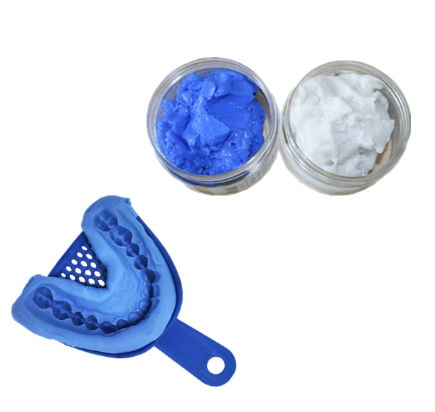
Engineers, manufacturers, and lab technicians must rigorously verify material safety before integrating polymers into demanding environments. High-heat, electrical, and sensitive applications leave no room for error. You must understand material behaviors thoroughly to prevent catastrophic failures.
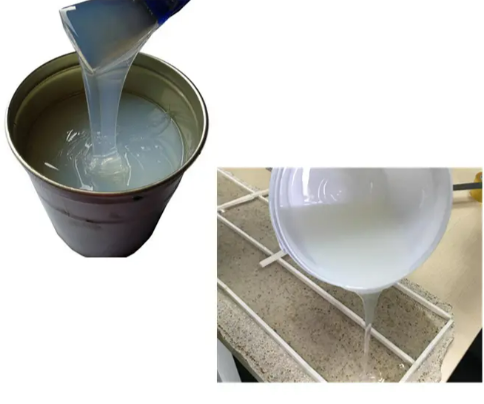
Prototyping and custom mold-making often hit a wall of complexity. Creators face a steep barrier when dealing with messy liquids, vacuum degassing chambers, and complex weighing scales. You need a fast, user-friendly way to create durable molds without heavy equipment overhead. Traditional pourable
Custom mold making often involves messy liquid silicones and unpredictable curing times. Fortunately, Silicone putty offers a rapid, tool-free alternative. You completely skip the digital scales, degassing vacuum chambers, and frustrating overnight waits. Despite this simplicity, users frequently fa


