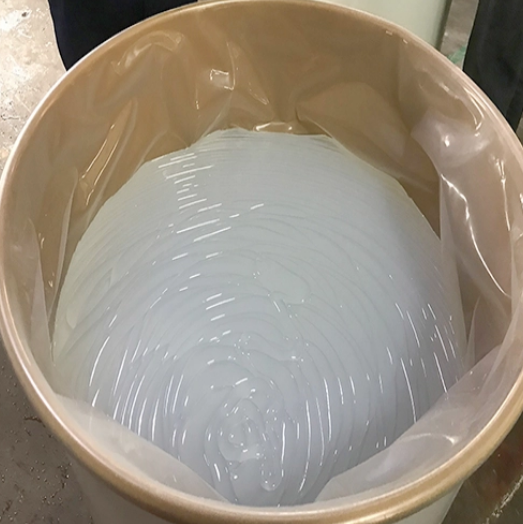
Engineers and procurement teams face constant pressure to optimize equipment maintenance. They frequently ask if Silicone Oil dries out over time. This question heavily impacts component lifespan and total cost of ownership (TCO) across entire production facilities. Chemically, this fluid does not e
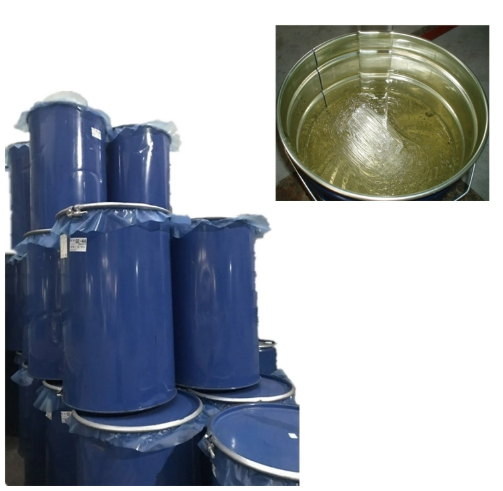
Under standard ambient and low-pressure conditions, commercial silicone fluids do not evaporate at an appreciable rate. Many operators assume these polymers remain entirely static inside dynamic machinery. Engineers frequently rely on this exact permanence for continuous high-temperature vacuum oper
Many buyers view Silicone Oil as a simple, commoditized fluid. However, the exact manufacturing process directly dictates its thermal stability. It also controls purity and compliance in critical applications. You should not view the chemical transition from raw silica to complex polymers as a mere
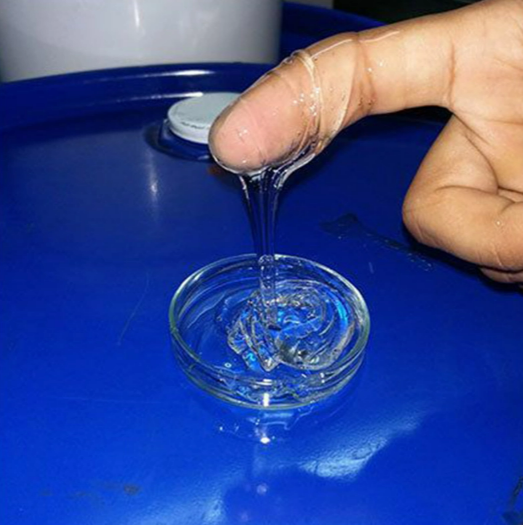
You face a notorious operational bottleneck. Silicone oil’s extreme hydrophobicity and high surface tension make it incredibly difficult to remove. It clings stubbornly to almost any surface. Standard cleaning protocols usually fail. This persistent residue often leads to severe cross-contamination.
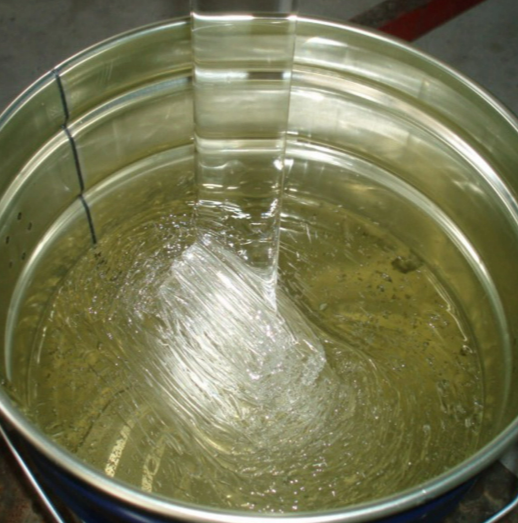
There is a surprising amount of conflicting information surrounding rubber care and industrial lubrication. Maintenance teams frequently encounter rumors about certain fluids destroying expensive seals overnight. Selecting the wrong lubricant often leads to catastrophic seal failure, unplanned downt
Engineers constantly seek reliable fluids to handle increasingly extreme manufacturing environments. Synthetic, liquid polymerized siloxanes—most commonly known as Silicone Oil—offer a powerful alternative to traditional options. These fluids rely on an alternating silicon-oxygen backbone, primarily


