Views: 165 Author: Site Editor Publish Time: 2026-06-11 Origin: Site


You face a notorious operational bottleneck. Silicone oil’s extreme hydrophobicity and high surface tension make it incredibly difficult to remove. It clings stubbornly to almost any surface. Standard cleaning protocols usually fail. This persistent residue often leads to severe cross-contamination. In manufacturing environments, it causes catastrophic coating failures.
This evidence-based guide addresses these specific cleaning challenges. We provide a decision-stage blueprint for removing silicone residue safely. You will learn how to clean effectively without damaging sensitive substrates. We also focus on methods protecting workplace safety. Poor techniques often spread contamination further rather than removing it. We want you to avoid those costly mistakes.
Successful removal is never a one-size-fits-all process. You must match the specific cleaning mechanism to your surface material. This means choosing correctly between solvation, re-emulsification, or physical extraction. Let us explore the technical parameters required for complete silicone removal.
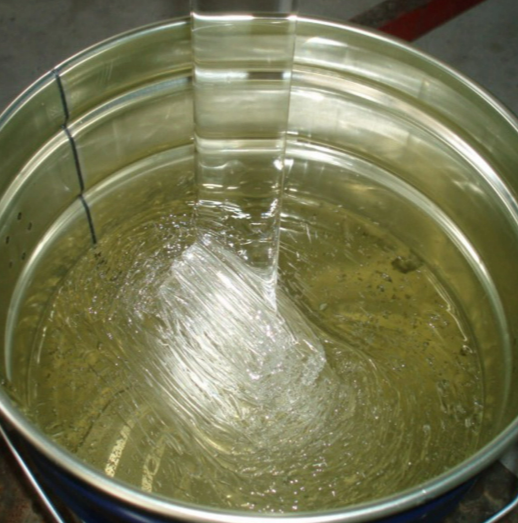
Temperature is critical: Aqueous cleaning methods must maintain an 80°C+ baseline; dropping below this causes thermal shock and immediate redeposition of the oil.
Stop smearing: Standard paper towels only spread the contamination; industrial-grade, chemical-absorbent pads are non-negotiable for physical removal.
Porous surface reality: Wood and concrete cannot be perfectly stripped of silicone oil; alternative workarounds (like poultices or paint additives) are required.
Chemical sequence matters: Effective lab and industrial cleaning relies on a tiered solvent approach, moving from low-polarity to high-polarity solvents.
Silicone oil acts as the ultimate enemy of paint and surface coatings. Because Silicone Oil repels subsequent layers, it fundamentally disrupts adhesion. When you apply varnishes or adhesives over contaminated areas, the liquid coating retracts. This creates crater-like defects known as "fisheyes." These defects force costly reworks. You lose valuable time, material, and labor when fisheyes appear.
Traditional water-based cleaners fail completely against silicone. The silicone molecules exhibit strong hydrophobic repulsion. Water simply beads up and rolls off. You cannot scrub this problem away using basic soap. Conversely, aggressive universal solvents present massive risks. Strong solvents like pure acetone melt plastics and degrade rubber seals. Finding the exact chemical balance prevents irreversible substrate degradation.
Legacy cleaning methods pose severe Environment, Health, and Safety (EHS) risks. For decades, industries relied on neurotoxic solvents like n-hexane. Today, strict regulations force a transition. Modern facilities demand safer chemical alternatives. This is especially true when handling medical-grade components or FDA Silicone Oil equipment. You must balance aggressive cleaning power against operator safety.
Industry professionals rely on a structured, tiered approach. You minimize risk by following these sequential steps.
You must standardize the removal of bulk liquids and solids first. Never introduce solvents immediately. Wait for cured or semi-cured silicone to cool completely to room temperature. Once cooled, use flat, non-abrasive tools. A simple plastic putty knife works perfectly. Scrape away the heavy residue carefully. This initial step prevents the silicone from spreading into a thin, unmanageable film.
Next, attack the remaining thin film. Utilize isopropyl alcohol (IPA) at concentrations exceeding 90%. High-purity IPA offers gentle dissolution. It safely lifts silicone from metal and painted surfaces. Implementation detail matters here. Use dedicated soft cloths. Employ strict circular wiping motions. Do not wipe back and forth. Lateral wiping simply pushes the contamination across your clean surfaces.
Finally, deploy industrial surfactants for deep cleaning. These chemicals depolymerize or re-emulsify stubborn silicone molecules. You must monitor one critical parameter: temperature. Your wash and rinse tanks must exceed 80°C. If you use cold water, you trigger "thermal shock." Cold water instantly breaks the chemical emulsion. The silicone will immediately redeposit onto your newly cleaned substrate.
You cannot treat all surfaces equally. Different materials demand unique chemical approaches.
You need a polarity-stepping sequence to break down silicone on glass and heavy metal. Do not rely on a single chemical. Move from low-polarity to high-polarity solvents.
Recommended SOP: Start with Heptane, follow up with MEK, and finish using IPA.
Alternative SOP: Use a safe Hexane alternative, move to Methanol, and conclude using Acetone.
For EHS compliance, replace toxic n-hexane immediately. Use heptane or ethyl acetate instead. If you face highly cross-linked silicone, use xylene. Xylene aggressively swells the cured network, making physical removal much easier.
Cleaning sensitive non-porous materials introduces a strict trade-off. Aggressive solvents will melt your plastics. Standard hot-water washes demand excessive, damaging mechanical scrubbing. The solution relies on fast-evaporating specialty degreasers. Select CFC-free electrical contact cleaners. These surface-safe aerosol products lift light oils quickly. They require only one or two passes, protecting the underlying substrate.
Micro-cavities require specialized tactics. Use an ultrasonic cleaning tank combined with heavy-duty surfactants. Alternatively, try the "Oil-Washes-Oil" method. Dilute the high-viscosity silicone contamination using an ultra-light shock oil. This flushes out micro-cavities perfectly. It avoids introducing corrosive aqueous chemistry into delicate bearings. Prevent part loss during solvent immersion by using mesh containment. A simple stainless steel tea-ball infuser works exceptionally well.
Review this table for quick substrate-solvent matching decisions:
Substrate Type | Primary Challenge | Recommended Solution | Chemical/Method Used |
|---|---|---|---|
Heavy Metal & Glass | Stubborn film adhesion | Solvent Sequencing | Heptane → MEK → IPA |
Plastic & Rubber | Chemical melting/degradation | Surface-safe flashing | CFC-free contact cleaners |
Precision Gears | Micro-cavity trapping | Ultrasonic / Dilution | Heavy surfactant or Light shock oil |
You face an impossible battle against porous materials. Professional consensus reveals a harsh reality. Silicone oil penetrates wood and concrete deeply. Standard chemical wiping proves entirely ineffective. Even aggressive physical planing fails. You can remove up to 1/16th of an inch of surface wood, and the oil will still remain.
When dealing with shallow capillary-trapped oils, you must draw the liquid out. Formulate a chemical poultice. Use pumice-based pastes for this application. Apply the thick paste over the stain. As the poultice dries, it actively sucks the oils out of the shallow concrete or wood pores. Clean the dried crust away and repeat until visually clear.
Sometimes, total extraction fails completely. When this happens, you must adapt your coating strategy. Consider Total Cost of Ownership (TCO) and Return on Investment (ROI). Stop fighting unwinnable chemical battles. Introduce a "fish-eye eliminator" additive directly into your finish. These specialty additives alter the surface tension of the paint. The coating will flow smoothly over the deeply embedded contamination.
Your choice of wipe determines success or failure. Never use cheap cellulose paper towels. Paper towels lack the chemical structure to absorb synthetic polymers. They act as spreaders, pushing oil over a wider area. You must budget for dedicated spill-control pads. For precision wiping, buy industrial lint-free wipes. Follow established Kimberly-Clark standards for cleanroom or shop floor deployment.
Match your hardware to your component size. Buy an ultrasonic tank for precision components. Ultrasonic cavitation reduces physical labor time to a mere 15-30 minutes. It reaches areas hand-wiping cannot. Conversely, use high-temp spray systems for large form-factor equipment. High-pressure, heated jets physically dislodge oil droplets while emulsifying them.
Account for hidden operational costs. Solvent disposal requires expensive hazardous waste protocols. Aqueous systems avoid these disposal fees but introduce high energy demands. Maintaining 80°C+ wash and rinse cycles burns considerable electricity. Evaluate your local utility rates against hazardous waste hauling fees before committing to a singular SOP.
Do not buy standard degreasers and expect miracles. Commercial silicone removers require highly specific chemistry. Ensure your chosen product utilizes dedicated depolymerizing agents. Look closely for dodecylbenzenesulfonic acid derivatives on the spec sheet. These compounds break down the silicone polymer chains. Standard surfactants merely try to lift them, which often fails.
You must scrutinize the safety data sheets. Look for RoHS-compliant formulas. Seek near-neutral pH concentrates (hovering around pH 7). The cleaner must be free of phosphates, enzymes, EDTA, and chlorinated bleaches. These strict guidelines are mandatory for operations processing sensitive materials, including FDA Silicone Oil applications. Cleanliness cannot come at the cost of regulatory violations.
Start your transition process safely. Conduct a localized patch test on scrap material. Do this before applying any new solvent to valuable equipment. Next, verify the thermal capabilities of your existing wash-tanks. They must hold that strict 80°C minimum. Finally, transition your procurement away from smearing-prone consumables. Stock up on proper chemical-absorbent pads immediately.
Recognize silicone removal as a precise chemical operation, completely abandoning brute-force scrubbing.
Select your cleaning mechanism strictly based on substrate porosity and chemical sensitivity.
Implement the tiered solvent sequence for lab glassware and heavy metals.
Maintain strict 80°C+ water temperatures to prevent thermal shock and residue redeposition.
Accept the limitations of porous surfaces; utilize poultices or fish-eye eliminator additives to save projects.
A: Cold water causes a phenomenon known as thermal shock. During high-heat washing, surfactants emulsify the silicone oil. If cold water hits this hot emulsion, the chemical bonds break instantly. The silicone molecules coalesce and rapidly redeposit back onto your clean substrate. You must always rinse using water matching the 80°C+ wash temperature.
A: Acetone proves highly effective on bare glass and metal surfaces. However, it severely damages most plastics, melts rubber seals, and destroys existing paint. Furthermore, acetone evaporates too quickly. It flashes off before it can fully lift heavy, cured silicone residue alone. You should sequence it after slower-drying solvents.
A: Yes. High-quality dish soap provides a highly functional, low-cost DIY method. It works beautifully on non-reactive precision parts like small metal gears. You must use very hot water in the ultrasonic tank. Crucially, you must follow up with a dedicated water-displacement step, like a rust-inhibiting oil spray, to prevent flash rusting.


