Views: 122 Author: Site Editor Publish Time: 2026-05-15 Origin: Site


There is a surprising amount of conflicting information surrounding rubber care and industrial lubrication. Maintenance teams frequently encounter rumors about certain fluids destroying expensive seals overnight. Selecting the wrong lubricant often leads to catastrophic seal failure, unplanned downtime, and severe safety hazards on the production floor. A degraded O-ring can easily trigger a hydraulic leak that stalls an entire assembly line.
The stakes are simply too high to rely on guesswork or internet myths when specifying fluids for critical machinery. This guide aims to clear up the confusion once and for all. We provide maintenance engineers and procurement teams with a definitive, OEM-backed framework. You will learn exactly how to evaluate material compatibility and when to safely use Silicone Oil in your most demanding applications.
Pure silicone is inert: 100% pure silicone oil does not damage natural or synthetic rubber; it protects it from UV, ozone, and water degradation.
The "Like Dissolves Like" rule: Silicone oil will degrade, swell, and soften silicone rubber components. They must never be mixed.
Aerosols are the hidden threat: Degradation often stems from petroleum distillates and carrier solvents (like hexane) found in cheap aerosol sprays, not the silicone itself.
Specification matters: Sourcing optimal viscosity (e.g., 350 cst) and certified grades (e.g., FDA Silicone Oil) is critical for compliance and ROI.
Maintenance professionals sometimes avoid excellent lubricants because they fear "rubber rot." This avoidance creates unnecessary mechanical friction and accelerates wear. Debunking this myth is crucial to prevent your teams from ignoring a highly effective maintenance tool. We must examine the actual chemical reality behind elastomer degradation.
Pure polydimethylsiloxane (PDMS) is entirely chemically inert. It does not react with standard elastomer networks. It cannot break down the complex polymer links found in standard sealing materials. Instead of causing damage, pure PDMS actually conditions the material and locks in essential moisture.
The real culprits hide in the delivery mechanism rather than the lubricant itself. Low-cost consumer sprays use harsh propellants to force the liquid out of the can. Aerosol manufacturers also rely heavily on aggressive carrier solvents. You will frequently find these destructive elements listed on their safety data sheets:
Petroleum Distillates: Used as cheap fillers, these dissolve the protective waxes engineered into tires and seals.
Naphtha and Hexane: Common aerosol propellants that flash off quickly but strip away essential plasticizers in the process.
Harsh Cleaning Agents: Added to "multi-purpose" sprays to remove grime, but they actively attack synthetic polymers.
These solvents pull vital oils out of the elastomer. Once the solvents evaporate, they leave the material exceptionally brittle. Dry rot, surface crazing, and deep cracking quickly follow. Success requires a permanent shift in your procurement strategy. You must transition away from consumer-grade spray lubes. Mandating the use of industrial-grade pure pastes or pure liquid fluids eliminates solvent-induced failure entirely.
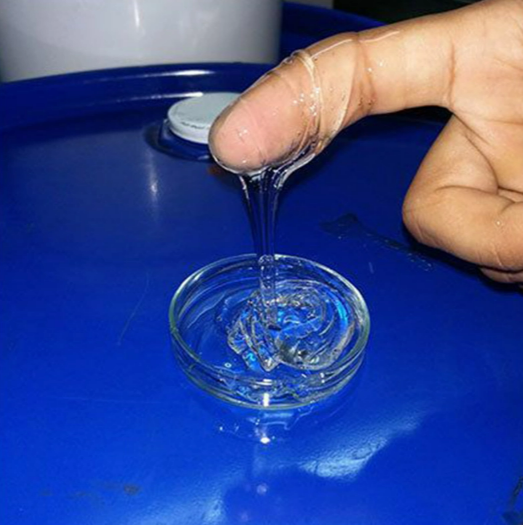
You must match the correct fluid to the right elastomer. Failure to properly pair these materials results in compromised sealing systems. Understanding the shortlisting logic prevents expensive engineering mistakes.
Pure PDMS forms a highly effective, non-reactive barrier on most standard industrial materials. When you apply it correctly, it acts as a permanent shield against environmental stressors. Compatible materials include:
Nitrile (Buna-N): The industry standard for hydraulic seals.
EPDM: Widely used in automotive weatherstripping and outdoor plumbing.
Neoprene: Common in heavy-duty belts and protective boots.
Natural Rubber: Found in vibration dampeners and basic gaskets.
The operational outcomes of these pairings are highly beneficial. The fluid prevents low-temperature embrittlement, keeping parts flexible in freezing environments. It blocks moisture penetration perfectly. Furthermore, it stops ozone-induced "blooming" degradation. Manufacturers often add internal waxes to rubber parts. These waxes migrate to the surface to block ozone. Applying a pure synthetic barrier reinforces this defense mechanism and extends part life.
Here we encounter a strict limitation based on chemical composition. You face the fundamental "Like Dissolves Like" principle. You cannot mix them safely. The chemical similarity between the fluid and the elastomer causes severe structural reactions.
The risks of mixing these two identical materials are extreme. You will observe massive volume swelling almost immediately. The seal softens dramatically and loses its structural integrity. Static and dynamic O-rings rapidly lose their tensile strength. They will eventually deform, extrude through gaps, and tear under operational pressure.
Alternative approaches exist for these specific environments. If your machinery requires silicone fluid, switch your seal material to Nitrile or EPDM. If you absolutely must use a silicone O-ring, never lubricate it with matching fluid. Instead, specify Barium-based grease or a specialized synthetic alternative.
Proper evaluation criteria matter heavily during procurement. Moving beyond basic lubrication changes your operational outcomes. You ensure strict regulatory compliance and maximize equipment reliability.
Viscosity selection is your first major decision. Fluid thickness dictates how the product behaves under stress. Industry experts consistently consider 350 cst (centistokes) as the golden baseline. It is the perfect viscosity for O-ring assembly. It flows easily enough to reduce friction during tight installations. Yet, it remains thick enough to stay in place over years of operation without migrating away from the seal.
Consider environmental extremes next. You gain exceptionally high thermal stability compared to petroleum products. The fluid operates reliably from -40°C to 200°C without oxidizing or turning to sludge. It also offers excellent dielectric properties. Technicians use it safely on electrical connectors and spark plug boots. It completely displaces water, prevents electrical arcing, and stops galvanic corrosion between dissimilar metals.
Security and compliance require certified grades for sensitive industries. For non-reactive, food-safe, and medical-grade applications, you should strongly consider specifying FDA Silicone Oil. It provides essential lubrication for delicate items like syringes and catheters while adhering to strict health safety standards.
High-oxygen environments demand identical strictness. SCUBA gear and medical oxygen delivery systems rely heavily on pure PDMS. Traditional petroleum products pose a severe spontaneous combustion risk when exposed to pressurized oxygen. Pure synthetic alternatives eliminate this deadly hazard.
Implementation realities dictate how you move from procurement to the shop floor. You need clear rules to prevent human error. Transitioning safely requires standardized methodologies.
Ban direct, close-range aerosol spraying entirely. As previously established, this prevents localized propellant damage and solvent pooling. You must mandate controlled application techniques across your facility.
Application Method | Best Use Case | Primary Benefit |
|---|---|---|
Pump Spray | Large, open weatherstripping | Eliminates aerosol propellants entirely. |
Fluid Dipping | Bulk O-ring installation | Ensures 100% uniform surface coverage. |
Lint-Free Cloth Transfer | Precision automotive seals | Prevents overspray and controls absorption. |
Safety protocols require strict enforcement. Never apply this fluid on high-friction surfaces. Keep it far away from brake pedals, clutch assemblies, steering wheels, and industrial flooring. Because it severely reduces friction, it creates extreme slip-and-fall hazards. Clean up spills immediately using industrial degreasers.
Next-step actions involve practical physical testing. Mandate small-scale bench tests for any unknown components. Submerge a sample O-ring in the fluid for 48 hours. Measure it carefully with calipers before and after. If the volume changes, you have a compatibility conflict. Always test specific formulations before authorizing a site-wide rollout.
Pure synthetic fluids remain incredibly powerful tools for industrial maintenance. Pure silicone oil functions as a protective asset, not a liability, provided you strictly respect material compatibility rules. Remembering the "like dissolves like" principle will save your facility from catastrophic failures.
Take immediate action to secure your operational reliability. First, audit your current lubricant inventories to eliminate solvent-heavy aerosols. Second, update your maintenance standard operating procedures to mandate controlled application methods. Finally, contact your engineering team to review compatibility charts. Request technical data sheets (TDS) from your suppliers, or order a small sample of pure or FDA-grade fluids to begin bench testing today.
A: Pure silicone does not dry out rubber. However, cheap aerosol sprays often contain harsh propellants and petroleum-based carrier solvents like hexane. These hidden solvents strip natural oils and plasticizers from elastomers, which causes the severe drying, cracking, and premature rot often falsely blamed on the silicone itself.
A: Because of the "like dissolves like" rule, you must never use silicone fluids on silicone O-rings. The best alternatives are high-quality Barium-based greases or specialized synthetic hydrocarbon lubricants. Always check your equipment manufacturer's specifications to ensure the alternative fluid matches your temperature and pressure requirements.
A: No. Petroleum jelly is a petroleum distillate. It aggressively attacks, swells, and degrades natural rubber and many synthetic compounds over time. Silicone is vastly superior because it is chemically inert, blocks moisture, and preserves the elastomer's structural integrity without breaking down polymer links.
A: Chemically, they are very similar, both utilizing polydimethylsiloxane (PDMS). The difference lies in purity and compliance. FDA grades undergo rigorous refinement to remove impurities and are certified safe for incidental food contact or medical device use. Industrial grades lack these certifications and are strictly for mechanical applications.


