
● A squishy toy is not automatically toxic; safety depends on the material system and manufacturing quality. ● Low-grade foam squishy toy products may age faster, shed surface particles, or develop odor and tackiness. ● Silicone-based squishy toy materials are often preferred for better stability, cleaner touch, and more consistent rebound. ● Regulatory concerns usually involve chemical composition, surface stability, and product testing, not softness alone. ● Squishy silicone is a strong raw material direction when durability and cleanliness matter.

● A squishy toy can often be repaired, but the method should match the material and the damage type. ● Super glue and general craft glue usually do not work well on a silicone-based squishy toy. ● Squishy silicone is a stronger material direction because it offers better stability and rebound. ● Small tears, edge splits, and detached parts are often repairable, while melted or badly deformed sections are not. ● A durable squishy toy repair depends on cleaning, controlled glue use, and full curing time. ● For this category, squishy silicone offers a more reliable foundation than lower-grade foam systems.
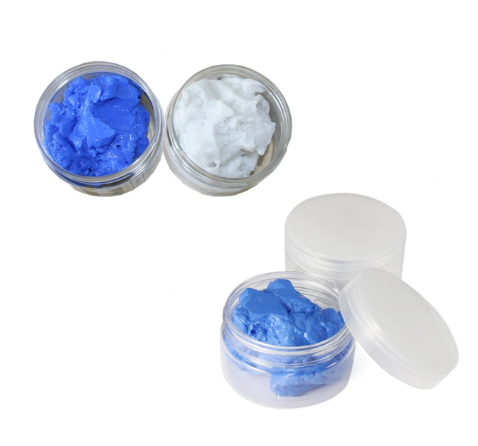
Crafting custom tactile items blends creative design with exact chemical science. You must carefully balance strict material compliance against your desired sensory outcome. Whether you want a slow-rebound object or a highly elastic toy, achieving the perfect tactile experience demands rigorous tech
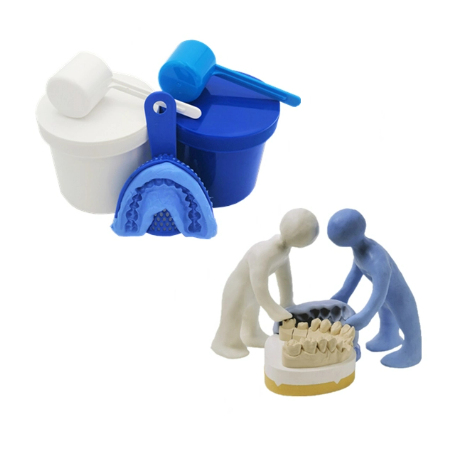
Creating sensory toys, prosthetics, or tactile art requires a very specific material texture. You want an end product yielding a soft, doughy, or extremely pliable feel. Generic craft supplies rarely deliver this distinct texture.Standard commercial silicone rubber is often too rigid for tactile app
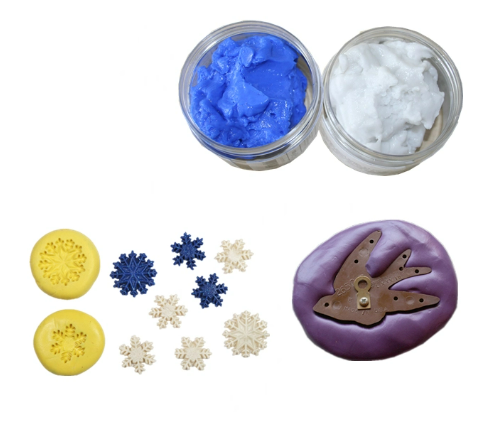
The market is seeing a massive surge in demand for ultra-soft, tactile materials across various creative fields. Creators everywhere want to craft trendy Taba squishies, therapeutic sensory tools, and highly realistic professional props. You might wonder if standard materials can achieve this unique
The sensory toy market recently shifted dramatically. Squishy toys evolved from simple novelty stress relievers into sophisticated, multi-sensory tools. Therapists, educators, and adults now use them for cognitive development, ADHD management, and ASMR routines. However, buyers face a frustrating di


