Views: 141 Author: Site Editor Publish Time: 2026-05-27 Origin: Site


The market is seeing a massive surge in demand for ultra-soft, tactile materials across various creative fields. Creators everywhere want to craft trendy Taba squishies, therapeutic sensory tools, and highly realistic professional props. You might wonder if standard materials can achieve this unique feel. Yes, silicone can be manipulated to be incredibly squishy. However, achieving that perfect marshmallow-like texture requires selecting specific industrial formulations over standard mold-making silicones. Purchasing the wrong silicone results in rigid molds, permanently sticky surfaces, or even toxic off-gassing. This guide evaluates how to select, test, and implement the right materials for a successful, skin-safe cure. We will explore the science of hardness scales and share proven mixing techniques. You will discover exactly what it takes to master your next soft-casting project.
The "squishiness" of silicone is dictated by its Shore Hardness; look for ratings of Shore 30A or lower (down to the Shore 00 scale) for true squishy textures.
Platinum-cured, 1:1 ratio liquid silicone provides the most reliable, skin-safe, and durable results without requiring expensive vacuum chambers.
Ingredient freshness matters; purchasing squishy silicone rubber from high-turnover suppliers prevents curing failures and sticky finishes.
Environmental controls (temperature and mixing techniques) dictate the final tactile quality and bubble-free clarity of the cure.
Silicone flexibility depends heavily on a specific measurement known as Shore Hardness. This industrial scale gauges the physical resistance of a material against indentation. Standard silicone formulas feel quite rigid after they cure. They resemble tire rubber or hard plastic. Creating a squishy texture requires specific low-durometer ratings. Understanding these ratings ensures you purchase the exact material needed for your project.
Manufacturers divide silicone hardness into distinct alphabetical scales based on the testing equipment used. You will mostly encounter the Shore A and Shore OO scales.
Shore A (10A - 30A): This range works perfectly for durable, semi-flexible items. Products in this category feel firm but forgiving. Common applications include shoe insoles, flexible mold-making, and firm stress balls.
Shore OO (00-10 to 00-30): This represents the target range for ultra-soft products. Formulations in the OO scale feel distinctly flesh-like. They easily mimic the soft, doughy texture found in popular Taba toys. Professional prop makers frequently utilize this exact hardness range in the film industry for realistic prosthetics.
Working with extremely soft materials requires careful project planning. You face an unavoidable physical trade-off between softness and durability. The softer the silicone becomes, the lower its structural tear strength drops. A Shore 00-10 mixture will stretch incredibly well. However, it can snap easily if pulled too sharply. Assess your project goals early. Decide whether you prioritize extreme stretch or long-term durability. If your item faces heavy daily handling, consider stepping slightly up the hardness scale to prevent premature tearing.
Shore Hardness Comparison Chart
Hardness Scale | Tactile Feel | Tear Strength | Best Use Cases |
|---|---|---|---|
Shore 30A | Firm pencil eraser | High | Durable molds, stiff props |
Shore 10A | Gummy bear | Medium | Firm stress balls, insoles |
Shore 00-30 | Soft marshmallow | Low-Medium | Taba toys, sensory tools |
Shore 00-10 | Human skin/flesh | Low | Prosthetics, ultra-soft crafts |
The market offers countless liquid silicone options. Not all formulas perform equally well for tactile projects. You must scrutinize the chemical makeup of any kit before purchasing. Choosing the right base formulation directly impacts safety, workflow, and final product quality.
We strongly recommend platinum-cure formulations for most buyers. Platinum-cure silicone offers non-toxic, skin-safe properties. If certified, it can even be food-grade. These characteristics prove essential for heavily handled items. Tin-cure alternatives often cost less but carry significant drawbacks. Tin-cure items tend to shrink over time. They degrade faster and often release slight chemical odors known as off-gassing. For toys or skin-contact props, platinum-cure remains the undisputed industry standard.
A successful pour requires excellent flow. High-quality squishy silicone rubber features exceptionally low viscosity. It pours smoothly and flows much like water. This watery consistency serves a vital mechanical purpose.
You should carefully assess any "self-degassing" claims on the packaging. Low viscosity allows trapped micro-bubbles to surface naturally. They rise and pop without external intervention. This self-degassing nature eliminates the need for expensive equipment. Hobbyists can skip buying a $150+ vacuum chamber and still achieve crystal-clear results.
Different formulas cure at vastly different speeds. You must align the cure time with your specific production style.
Fast-cure kits: These typically solidify in 3-4 hours at normal room temperature (77°F/25°C). They support rapid iteration. You can cast multiple pieces in a single day. However, they offer a very short working time (pot life), usually under 15 minutes.
Standard-cure kits: These require a full 24-hour resting period. They give you a generous pot life of 40-60 minutes. This extra time proves crucial when mixing large batches or adding complex color details.
Ingredient freshness drastically affects curing success. You must avoid buying off-brand or cheap marketplace silicone. These discounted products often sit in non-climate-controlled warehouses for months. Degraded Part A or Part B components lead to permanent tackiness. Your piece will feel sticky forever, regardless of how long you let it cure. We recommend sourcing materials from high-turnover specialty suppliers or trusted craft brands to guarantee fresh, active chemicals.
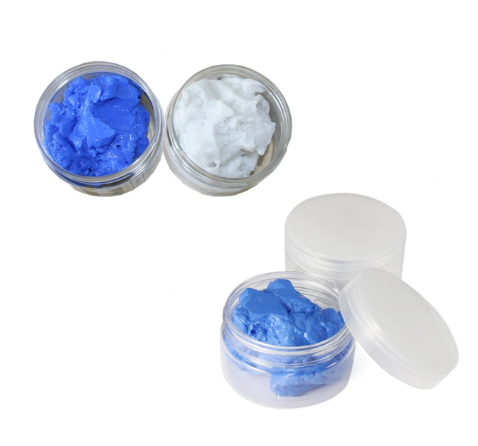
Even the highest quality silicone will fail if prepared incorrectly. The liquid-to-solid transition relies on a precise chemical reaction. You control this reaction entirely through your mixing habits and environmental setup.
You must practice absolute precision when combining components. Emphasize the strict necessity of following the manufacturer's directions. Kits require either a 1:1 volume ratio or a 1:1 weight ratio. Never guess these amounts. Eyeballing measurements remains the primary cause of un-cured, sticky outcomes. Use a digital gram scale for weight-based kits. Use clearly marked, transparent measuring cups for volume-based kits.
Proper mixing technique ensures a flawless final product. Follow these exact steps for the best results:
Pour the exact measured amount of Part B into Part A.
Use a flat-edged mixing stick rather than a round one.
Begin stirring with consistent, circular motions.
Scrape the bottom and sides of the cup continuously.
Maintain this steady rhythm for 1-2 minutes until thoroughly blended.
You must actively avoid whipping the mixture. Whipping introduces massive amounts of trapped air. Treat the liquid gently to maintain a bubble-free consistency.
If you lack a vacuum chamber, physics can help you remove stubborn air pockets. Introduce the temperature drop method immediately after pouring. Place the poured mold directly into a refrigerator for about 45 minutes. The cold environment drastically slows down the chemical curing process. This extended liquid phase allows deep, microscopic bubbles ample time to rise and pop at the surface. Once removed from the cold, the silicone will resume its normal curing speed at room temperature.
Squishy formulations grip surfaces aggressively. Detail the necessity of light release agents on your molds. If you use non-silicone molds (like plastic, resin, or 3D-printed PLA), you must prepare the surface. Apply a very thin, brushed layer of petroleum jelly. This barrier ensures seamless demolding. It prevents you from accidentally tearing the delicate, soft final product during extraction. Skip this step only if you pour directly into another silicone mold coated with a specialized silicone-to-silicone release spray.
Casting the shape is only the first phase. Transforming raw rubber into a premium product requires surface treatments and visual enhancements. The right additives elevate a basic project into a professional-grade item.
You must specify the use of dedicated silicone pigments. The chemical cross-linking process is highly sensitive to foreign contaminants. Never use liquid food coloring, water-based acrylics, or alcohol inks. These household colorants contain water or solvents. They will disrupt the chemical curing process immediately. The mixture will froth or remain liquid forever. Add concentrated silicone dye a single drop at a time until you reach the desired opacity.
Low-durometer silicone inherently feels tacky straight out of the mold. Address this natural tacky feel immediately to improve user experience. You can eliminate this stickiness by applying surface modifiers. Dusting molds or finished products with flocking powder creates a premium, velvety finish. Specialized matte powders also work exceptionally well. High-quality Squishy Silicone accepts these powders beautifully. The powder bonds with the surface tack, leaving behind a smooth, highly satisfying texture that does not attract dust.
Sensory items often benefit from pleasant aromas. Briefly consider scent additives if crafting Taba toys. You must use only oil-based, silicone-safe fragrances. Water-based perfumes will destroy the cure. Incorporate scent sparingly. A few drops generally suffice to maintain structural integrity while providing a lasting aroma.
Mistakes happen frequently during casting. Identifying the root cause of a failure prevents ruined batches in the future. The following issues represent the most common hurdles creators face.
Sometimes, silicone stays completely liquid against the mold while the center hardens. This frustrating phenomenon is called cure inhibition. It occurs when specific chemicals poison the platinum catalyst. You must strictly avoid certain materials in your workspace. Never use sulfur-based sculpting clays to build mold walls. Do not wear natural latex gloves while mixing; switch to nitrile gloves instead. Keep the mixture away from UV-resin-coated surfaces. Even residue from aloe vera hand sanitizers can halt the curing process.
You might demold a piece that feels structurally firm but features a permanently sticky surface. This differs from natural low-durometer tackiness. If the piece leaves residue on your fingers, the chemical reaction failed partially. The A/B mixture was likely uneven due to improper scraping during the stirring phase. Alternatively, ambient moisture and humidity were too high during the cure phase. Keep your workspace below 50% humidity for optimal results.
Patience plays a crucial role in demolding. We strongly advise waiting the full 24-hour period for maximum tensile strength. You should wait even if a product label claims a 4-hour initial cure. Early demolding of Shore 00 items usually results in structural tears. The material might feel solid outside, but internal bonds continue linking for hours. Rushing the extraction puts immense stress on the weakest points. Let it rest overnight to guarantee survival.
Common Failures and Solutions
Symptom | Probable Cause | Corrective Action |
|---|---|---|
Gooey surface against mold | Sulfur or latex contamination | Switch to sulfur-free clay and nitrile gloves. |
Overall sticky, mushy texture | Incorrect A/B ratio | Use a digital scale and mix precisely 1:1. |
Cloudy finish with trapped air | Aggressive whipping | Mix slowly in circles; use fridge method. |
Torn edges after removal | Demolded too early | Wait a full 24 hours before extracting. |
Achieving the perfect squishy texture requires more than just pouring liquids into a cup. You must thoughtfully combine scientific principles with deliberate mixing practices. The success of your project rests entirely on your preparation. Remember these final action-oriented steps for your next build:
Check your parameters: Always pair a low Shore Hardness (under 30A) with a high-quality, platinum-cure formulation to ensure safe, soft results.
Start small: We recommend starting with a low-viscosity, 1:1 beginner-friendly DIY kit. Scale up to professional prosthetic-grade bulk buckets only after mastering the mixing process.
Verify before buying: Always prompt yourself to check the specific Shore rating of your shortlisted product before hitting checkout.
Control your environment: Regulate room temperature and switch to sulfur-free, latex-free tools to guarantee a clean cure.
A: No. Once silicone rubber has fully cross-linked and cured, it cannot be chemically or physically reversed to a squishy state. You must pour a new piece using a softer durometer material.
A: Only if the manufacturer explicitly states it is FDA-compliant "food grade" or "skin safe" platinum-cure silicone. Even then, squishy items pose a choking hazard if torn and should not be ingested.
A: Bubbles result from mixing too aggressively (whipping air into the liquid) or using high-viscosity silicone without a vacuum chamber. Warming the A/B bottles slightly in a water bath before mixing can lower viscosity and help bubbles escape.
A: Not necessarily. For DIY and small batch production, purchasing a high-quality "self-degassing" silicone and using the refrigerator method is usually sufficient for consumer-grade clarity.


