Views: 154 Author: Site Editor Publish Time: 2026-05-23 Origin: Site


The sensory toy market recently shifted dramatically. Squishy toys evolved from simple novelty stress relievers into sophisticated, multi-sensory tools. Therapists, educators, and adults now use them for cognitive development, ADHD management, and ASMR routines. However, buyers face a frustrating dilemma when navigating this growing space. The current market is heavily flooded with cheap, low-grade materials. These inexpensive toys quickly degrade, emit pungent chemical odors, or fail crucial compliance standards. You need reliable, safe tools for your intended sensory outcomes. Our goal is to provide a rigorous, evidence-based evaluation of toy materials. We will help you understand why investing in premium materials yields significantly better safety, durability, and tactile feedback. By exploring the science behind these elastomers, you can make informed choices tailored to your specific needs.
Material Superiority: Squishy silicone rubber outlasts traditional Polyurethane (PU) foam and Thermoplastic Rubber (TPR) by resisting deformation, stickiness, and degradation over time.
Tactile Precision: Premium silicone allows for distinct feedback profiles, ranging from "water-like" softness to "clay-like" resistance.
Safety First: Authentic platinum-cured silicone is non-toxic, odorless, and easily passes strict compliance frameworks (like US CPC), avoiding the VOC emissions common in cheap PVC or low-grade TPR.
Investment Value: While upfront costs are higher, silicone’s longevity and hypoallergenic properties make it the standard for both pediatric sensory play and adult stress relief.
Buyers often struggle with rapid toy degradation. You might notice early tearing, aggressive dust collection, or a complete loss of elasticity. Consumers frequently cannot distinguish between base materials, leading to repeated purchases of faulty products. Understanding the structural differences between these materials solves this common purchasing trap.
PU foam dominates the budget-friendly sensory toy market. Manufacturers use it heavily to create realistic food shapes and colorful animal figures.
Pros: It is incredibly cheap to mass-produce. The material remains lightweight and offers a traditional 3–8 second visual recovery time.
Cons: Foam is structurally fragile. It is prone to cracking along stress points. The porous surface absorbs moisture rapidly, making it impossible to sanitize thoroughly. It degrades rapidly under heavy, daily use.
TPR bridges the gap between brittle plastics and true rubbers. You will frequently find it in bulk bins and arcade prize counters.
Pros: TPR is highly cost-effective. It boasts high stretchability, allowing for aggressive pulling and twisting.
Cons: TPR blends degrade unevenly. They often become unpleasantly sticky over time. They remain highly susceptible to temperature changes. Furthermore, they may carry lingering chemical odors from the manufacturing process.
Premium manufacturers use specific formulations to create high-end sensory items. This material is widely celebrated in the viral "Taba" squishy trend.
Pros: It utilizes highly precise A/B silicone mixing ratios. This allows engineers to create highly controlled, specific textures. It proves exceptionally durable against tearing. You can easily wash it with warm soapy water. When properly cured, it remains completely inert and odorless.
Material Comparison Summary
Material Feature | PU Foam | TPR (Thermoplastic) | |
|---|---|---|---|
Durability | Low (Cracks easily) | Medium (Becomes sticky) | High (Resists tearing) |
Hygiene | Poor (Porous, harbors dirt) | Moderate (Surface degrades) | Excellent (Non-porous, washable) |
Odor Profile | Mild chemical smell | Strong synthetic odor | Completely odorless |
Recovery Time | 3–8 seconds | Instant snap-back | Highly customizable |
You must evaluate toys based on how their physical features impact real-world outcomes. Structural integrity stands as the primary metric. Silicone possesses exceptional tensile strength. This means it resists permanent deformation perfectly. Conversely, foam structures collapse microscopically with every single squeeze. Over time, foam loses its shape entirely.
Hygiene and maintenance represent another critical evaluation category. Porous foam traps skin oils, dirt, and bacteria deeply within its matrix. You cannot clean it effectively. Unlike foam, silicone features a smooth, non-porous exterior. It does not harbor bacteria. You can sanitize it easily without using abrasive cleaners. This non-porous trait is a critical requirement for early childhood education and therapeutic clinical settings.
Professionals measure elastomer hardness using the Shore A Durometer scale. We use this industrial standard to predict exact tactile feedback. High-quality Squishy Silicone typically sits between 20A and 40A on this scale.
A rating of 20A delivers an ultra-soft, highly pliable experience. A rating closer to 40A provides a firm, muscular rebound. This specific range provides consistent kinetic resistance. Synthetic rubbers like TPR simply fail to maintain this targeted resistance long-term. They either harden uncomfortably or melt into a sticky mess.
Not all silicone is created equal. The curing process dictates the final chemical safety of the product. Cheap manufacturers utilize tin-cured silicone to cut costs. This older method leaves behind chemical residues and potential toxins.
Premium brands utilize platinum-cured variants exclusively. Platinum-curing eliminates toxic byproducts entirely. This advanced process ensures a true food-grade, hypoallergenic product. You get a toy with absolutely zero volatile organic compounds (VOCs). When safety is paramount, you must demand platinum-cured materials.
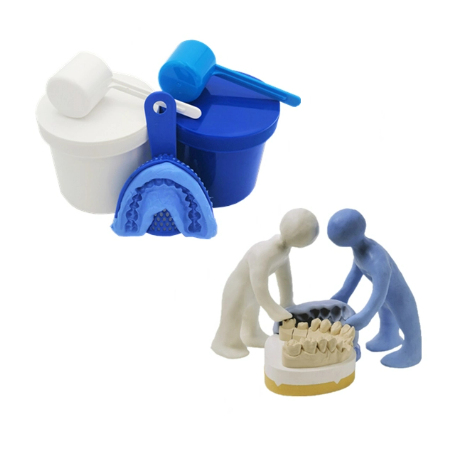
Buyers must match the material’s physical feedback to the intended use case. High-grade silicone can be expertly engineered into highly specific tactile profiles. You should choose your texture based on the precise sensory outcome you desire.
Water-Like Softness: This texture mimics the fluid dynamics of liquid perfectly. It offers an incredibly fast rebound and extreme flexibility. It feels almost like holding contained water. Ideal for: Gentle anxiety relief, ASMR tactile stimulation, and viral "buttery" aesthetic textures.
Creamy Mousse Texture: This profile provides a delayed, remarkably smooth recovery. It mimics the resistance of freshly kneaded soft dough. It engages the hand muscles steadily. Ideal for: Sustained, repetitive compression tasks and classroom focus enhancement.
Clay-Like Resistance: This texture requires distinctly firmer pressure to manipulate. It offers dense, heavy kinetic feedback to the user. It fatigues the hand slightly, which helps dispel nervous energy. Ideal for: Adult workplace stress relief, physical hand-strengthening, and aggressive sensory decompression.
Sensory therapy often relies on combining different stimuli. Silicone’s naturally inert chemical state makes it the perfect base material. It allows manufacturers to safely combine the exterior with other sensory elements. You will frequently see internal visual beads, glitter, or mild, child-safe scents added.
Because the silicone matrix is totally stable, these internal additives will not cause chemical leaching. You do not have to worry about colorants bleeding onto your hands. This integration builds a richer, safer multi-sensory experience.
Navigating the global toy market requires strict adherence to safety protocols. For the US market, highlight the non-negotiable need for a CPC (Children’s Product Certificate). Any toy marketed to users under 12 years old must possess this document.
Furthermore, you should actively verify BPA-free and Phthalate-free claims. Do not just trust the packaging. Look for brands that publish third-party lab testing results. Transparent brands will proudly display their ASTM or EN71 certification badges on their product pages.
You can identify inferior products quickly if you know what to watch out for. Trust your senses during the unboxing process.
Pungent Odors: A sharp, aggressive chemical odor upon unboxing is a massive warning sign. This usually indicates cheap industrial glue, inferior TPR blends, or toxic PVC plasticizers.
Persistent Stickiness: If the toy leaves a persistent, un-washable sticky residue on your fingers, discard it. This indicates completely improper A/B mixing ratios or rapidly degraded, cheap elastomers.
You must align your budget expectations with material reality. We acknowledge that 100% food-grade platinum silicone toys cost significantly more to manufacture. The raw materials are simply more expensive.
If you see a product priced at deep-discount levels (for example, under $5), be highly skeptical. It is highly likely a cheap TPR blend rather than pure silicone. You get exactly what you pay for in the sensory toy market. Prioritize quality over cheap, disposable volume.
When you receive a new item, perform two simple diagnostic checks. These tests verify the quality of the internal matrix and the exterior finish.
The Rebound Test: Squeeze the toy firmly and release it. A quality silicone piece should return to its original form smoothly. If it snaps back violently, it is likely an over-hardened rubber blend. If it stays flat and warped, the internal matrix has failed completely.
The Surface Test: Rub your thumb across the exterior. High-quality silicone should feel silky or slightly velvety. It should never feel greasy, oily, or leave a residue on your skin.
Proper maintenance extends the life of your sensory tools dramatically. By following basic hygiene steps, you protect both the user and the toy.
We highly recommend cleaning the toy strictly with warm water and mild dish soap. Avoid harsh chemical sprays, bleach, or alcohol wipes. These will prematurely break down the silicone surface.
We strongly advise against storing the toy in direct, intense sunlight. Prolonged UV exposure degrades the integrity of the material, causing it to become brittle over time.
Note that mild surface powdering is completely normal. Manufacturers sometimes use food-grade powders (like cornstarch) to maintain a matte finish. Reapplying a light dusting of baby powder or cornstarch is a normal maintenance step for extra-soft "Taba" style items.
Moving away from cheap foam and TPR completely transforms your purchasing strategy. It shifts the purchase from a disposable novelty item into a durable, highly targeted sensory tool. Here is how to apply this framework moving forward:
Prioritize Material Transparency: Always check the product descriptions for "platinum-cured silicone" rather than generic "squishy rubber." Avoid deep-discount items that hide their material blends.
Validate Safety Certifications: Never compromise on safety. Demand CPC compliance and FDA-grade material verification, especially when sourcing tools for pediatric or classroom environments.
Match Texture to Purpose: Use the Shore A hardness guidelines to buy with intention. Select water-like softness for gentle ASMR relief, or clay-like resistance for adult decompression.
Establish a Care Routine: Implement simple warm-water washing and occasional cornstarch dusting to protect your investment.
By prioritizing material truth over fleeting trends, you secure better therapeutic outcomes. Make informed, evidence-based choices to elevate your sensory play experience safely and effectively.
A: Silicone rubber offers vastly superior durability and hygiene. Regular polyurethane foam features a porous structure that traps dirt, absorbs moisture, and tears easily. Silicone is entirely non-porous, highly tear-resistant, and easy to wash with simple soap and water. It maintains its structural integrity far longer than foam.
A: Yes, provided they meet strict safety criteria. The toy must utilize food-grade, platinum-cured silicone to ensure zero toxic chemical leaching. Additionally, you must verify proper age-grading and size constraints to prevent accidental choking hazards. Always look for verifiable CPC (Children’s Product Certificate) compliance.
A: Severe stickiness usually indicates the degradation of lower-grade TPR blends rather than pure silicone. However, even premium "Taba" silicone can feel slightly tacky after washing away its factory finish. You can easily fix this by lightly dusting the dry surface with food-grade cornstarch or baby powder.
A: While traditional foam relies on a standard 3 to 8 second visual recovery, silicone rebound varies by design. It depends entirely on the specific engineered texture. Water-like softness formulations rebound almost instantly, while creamy mousse or clay-like resistance formulations offer a slower, more muscular recovery.


