Views: 174 Author: Site Editor Publish Time: 2026-04-28 Origin: Site


Fluid art creators frequently add a few drops of this slippery liquid to generate stunning cellular patterns. Yet, this creative hack introduces serious structural risks to cured epoxy and polyurethane resins. Artists constantly struggle to balance unique visual appeal against basic material integrity. The core conflict centers entirely on chemical repulsion. These liquids simply do not bond. They actively separate. While this dramatic separation yields striking aesthetic benefits, it simultaneously compromises resin adhesion, optical clarity, and long-term durability.
This guide provides a pragmatic, evidence-based evaluation of your current resin workflow. You will discover exactly when to introduce external agents safely. We also explain how to mitigate expensive mold degradation using proven maintenance strategies. Finally, we detail strict troubleshooting protocols. These steps will help you clean and rescue compromised casts without damaging the underlying structure.
Structural Trade-offs: Silicone oil acts as a repulsive agent, causing de-lamination, bare spots, and divots if improperly mixed.
Mold ROI: When used strategically as a barrier, silicone oil extends the lifespan and softness of expensive silicone molds against exothermic wear.
Post-Cure Remediation: Surface "scum film" from excess oil requires specific solvents (like Naphtha or Mineral Spirits); Isopropyl alcohol is largely ineffective.
Compliance Realities: Using FDA Silicone Oil does not automatically guarantee the final resin cast remains food-safe, as surface defects can trap bacteria.
Creators and manufacturers demand predictable, durable finishes. You need reliable results every single time you pour. Introducing Silicone Oil fundamentally disrupts this predictability. It introduces high variability into otherwise stable chemical processes. To understand why failures happen, we must look at the underlying mechanism of action.
These liquids operate purely on a "repulsion" effect. They never chemically bind to the resin base. Instead, they actively separate from it. The fluid physically displaces the surrounding epoxy. This displacement creates the visual "cells" artists love. Fluid art relies heavily on these density differences. When artists layer heavy pigmented epoxies over lighter layers, they need a catalyst to force movement. The oil pushes the heavier pigments aside. However, this same movement causes severe structural trade-offs.
Let us evaluate these trade-offs across three core criteria:
Adhesion Failure: This additive acts as the worst enemy to resin bonding. It actively prevents liquid layers from adhering properly. The resin simply cannot grab onto itself. If you attempt a second pour over a separated layer, the top coat will eventually peel off. You will frequently experience severe delamination in multi-layered projects.
Surface Defects: The displacement effect severely compromises surface tension. The displaced fluid has nowhere to go. It sits on top of the curing plastic. When you wipe it away post-cure, you find permanent pockmarks left behind. It inevitably leads to craters, bare spots, and deep divots. You lose the smooth, glass-like finish expected from premium casting materials.
Optical Clarity Degradation: Clear resins rely on delicate, highly engineered chemical formulations. Premium brands spend millions developing UV-stable properties. Mix-ins actively destroy these inherent non-yellowing properties. You will see premature ambering and yellowing from within the cast. This chemical yellowing remains entirely distinct from standard UV exposure or overtorching damage.
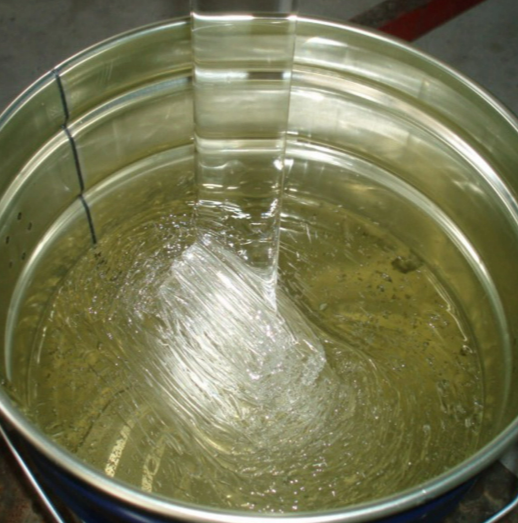
We highly recommend shifting how you view this liquid. Stop treating it as an internal aesthetic additive. Start using it as an external consumable for mold maintenance. This operational shift drastically changes your production economics and protects your overhead.
Resin curing generates immense heat. This exothermic reaction creates severe thermal stress. Some deep-pour epoxies exceed 200 degrees Fahrenheit during their peak curing phase. This intense heat essentially bakes the silicone mold. Repeated thermal cycles slowly consume the microscopic detail layer inside your molds. The material loses its natural elasticity. It becomes brittle. Tiny micro-tears develop along the interior walls. Chemical bonding also pulls away these tiny particles during demolding. Over time, your expensive tooling degrades completely.
Applying a thin barrier of this lubricant solves this mechanical problem. It acts as a sacrificial layer between the hot plastic and the delicate mold wall. It maintains mold softness while preventing aggressive resin adhesion. When the resin cures, it slips right out without ripping the underlying details.
Let us analyze the Total Cost of Ownership (TCO). A standard custom mold might cost fifty to one hundred dollars to produce. Throwing it away after fifteen uses destroys your profit margins. A low-cost application significantly extends your tooling lifecycle. You replace custom-made molds far less frequently. This improves the overall Return on Investment (ROI) of your entire workshop.
Metric | Unprotected Mold | Silicone-Maintained Mold |
|---|---|---|
Average Pulls (Lifespan) | 15 - 20 casts before failure | 40 - 50+ casts before failure |
Surface Detail Degradation | Rapid (micro-tearing occurs early) | Slow (barrier prevents tearing) |
Demolding Effort Required | High (requires physical force) | Low (slips out easily) |
Replacement Cost Impact | High financial overhead | Low financial overhead |
Coating a mold to refresh its surface seems like a simple task. Yet, operators frequently apply far too much liquid. This over-application almost always ruins the very first cast. Industry veterans commonly call this ruined piece the "first pull".
You will easily recognize the primary symptom. A sticky, cloudy "scum film" covers the surface of the object. It feels exactly like stubborn cooking grease. It clings tightly to the cured polyurethane or epoxy piece. You cannot just wash it off using standard dish soap and hot water. Water actually repels the residue deeper into the microscopic surface imperfections. You need industrial-grade solvents to remove it properly.
Safe Remediation Protocols (What Works):
Mineral Spirits: Highly effective at breaking down stubborn grease. Pour a small amount onto a clean microfiber cloth. Gently rub the affected area in circular motions until clean.
Naphtha: Dissolves the residue quickly. It accomplishes this without degrading or melting the cured plastic underneath.
Bestine: Lifts the barrier layer smoothly for easy wiping. It evaporates rapidly, leaving a perfectly dry surface behind.
Lighter Fluid: An accessible alternative for small-scale workshop cleaning. It provides similar chemical stripping capabilities to Naphtha.
Always let the solvent evaporate completely in a well-ventilated space. Repeat this wiping process until the surface feels squeaky clean to the touch.
Red Flags (What to Avoid):
Isopropyl Alcohol (IPA): Many creators instinctively reach for IPA first. It is an excellent degreaser for uncured liquid resin. However, it lacks the chemical strength to dissolve heavy synthetic lubricants. IPA mostly risks smearing the residue around rather than actually lifting it off the cast. It will leave your piece looking cloudy and streaky.
Many creators produce functional items meant for direct food contact. Charcuterie boards, custom serving trays, and coasters remain highly popular in the craft market. Because of this intended use case, makers often purchase FDA Silicone Oil. They assume utilizing food-grade additives automatically guarantees a food-safe final product. Regulatory bodies heavily monitor materials intended for food contact. When creators sell custom kitchenware, they assume strict liability for consumer safety.
We must examine this assumption through a rigid compliance lens. You might source a high-quality lubricant. You might verify its safety data sheet meticulously. However, the chemical itself does not actually cause the health hazard.
The migration risk stems entirely from the physical damage left behind. Even if the lubricant holds strict FDA compliance, its repulsive nature causes permanent structural defects. As discussed earlier, it inevitably creates micro-craters and bare spots in the cured resin.
These surface defects change the functional outcome entirely. Epoxy must cure into a perfectly smooth, non-porous surface to remain sanitary. The repulsion effect guarantees a porous, uneven surface instead. Imagine washing a cutting board covered in microscopic craters. The sponge cannot reach into those tiny divots. Raw meat juices, dairy particles, and moisture become trapped inside. Bacteria multiply rapidly in these protected pockets.
This reality inherently voids the food-safe viability of the final cured piece. The initial certification of the oil simply does not matter. If your surface contains physical craters, it cannot remain sanitary. You must keep all separating agents away from functional food-contact items.
Workshop standardization prevents expensive mistakes. If you manage a team or produce items at scale, you need clear operational rules. You must decide exactly when and where these chemicals enter your production space. We developed a shortlisting logic to help you decide. Review these categories and adjust your next steps accordingly.
Workflow Category | Action Recommendation | Standard Operating Procedure (SOP) |
|---|---|---|
Art & Aesthetics (Fluid Art) | Proceed with extreme caution. | Accept the absolute trade-offs in structural integrity. Prepare for intensive surface remediation. You must wash the canvas thoroughly with Naphtha before applying any clear protective topcoat. |
Casting & Tooling (Mold Maintenance) | Highly recommended. | Establish strict application control. Adopt a "regularly applied, thinly wiped" standard. Spray the mold, use a dry brush to push it into crevices, then wipe the excess completely dry. |
Commercial/Functional Resin Products | Avoid completely. | Never mix this into the resin. If you need a release agent for commercial parts, utilize dedicated, non-silicone release sprays. Dry Teflon sprays work best if surface painting is required post-cure. |
This framework protects your final product quality. It eliminates guesswork from your manufacturing steps. Use it to standardise your workshop practices immediately.
Our evaluation yields a clear final verdict. This chemical acts as a powerful dual-purpose consumable. It serves as both a volatile artistic additive and a highly effective mold preserver. You must respect its chemical boundaries to avoid costly production failures.
Take the following actionable steps to improve your process:
Audit your current workflow: Determine if your primary goal is aesthetic flair or structural durability. You cannot easily achieve both simultaneously without extensive post-processing.
Eliminate internal mixing for structural items: If you demand optimal optical clarity and strong physical adhesion, remove this additive from your wet resin mixtures entirely.
Restrict usage to mold maintenance: Maximize your tooling ROI. Use micro-thin layers to protect expensive silicone molds from severe exothermic wear.
Stock the correct solvents: Keep Naphtha or Mineral Spirits readily available in your safety cabinet. You will need them to clean the inevitable scum film off your first pulls effectively.
A: Silicone additives directly compromise the delicate chemical balance of premium resins. Manufacturers formulate clear epoxies with specific UV stabilizers and non-yellowing agents. Introducing external oils actively degrades these protective chemical properties. This causes premature ambering and yellowing from within the cast. This internal chemical degradation remains completely distinct from standard yellowing caused by UV light exposure or excessive blowtorch heat.
A: You cannot paint it without aggressive cleaning first. The residual oil acts as an invisible barrier. If you apply paint directly, the pigment will immediately bead up and delaminate. You must perform a thorough Naphtha or Mineral Spirit wash to strip this barrier completely. Once the solvent evaporates, the clean resin surface will successfully accept secondary bonding and paint.
A: You only need a micro-thin layer to achieve full protection. Wipe the liquid onto the mold surface, then wipe the excess away with a clean cloth. The mold should feel slightly slippery but never wet. If you over-apply the lubricant, it will pool in the details. This directly causes a cloudy "scum film" on your very first cast.


