Views: 126 Author: Site Editor Publish Time: 2026-03-17 Origin: Site


Modern electronics face harsh conditions every day. Moisture, vibration, and heat slowly damage sensitive circuits. Many failures begin at the PCB level. An electrical potting compound helps prevent these hidden risks.
In this article, we explain why PCBs need stronger protection. We explore how an electrical potting compound improves insulation, durability, and stability. You will also learn where potting is used and how it helps electronic systems last longer.
Electronic systems rarely operate in ideal laboratory conditions. Instead, they must function reliably in environments filled with moisture, vibration, contaminants, and temperature changes. Understanding these threats explains why protective materials such as an electrical potting compound are widely used in modern electronics.
Moisture is one of the most common causes of electronic failure. Water molecules can penetrate small gaps around components or solder joints. Once inside, they trigger corrosion reactions on metal surfaces and gradually weaken electrical connections.
Over time, corrosion increases electrical resistance and disrupts signal flow. In severe cases, electrochemical migration may occur. This process creates conductive paths between traces on the PCB, leading to short circuits or unpredictable behavior.
An electrical potting compound prevents this problem by creating a sealed barrier around the entire circuit. Moisture can no longer reach the sensitive components or conductive paths. As a result, the device continues to operate reliably even in humid environments.
Outdoor devices particularly benefit from this protection. Equipment exposed to rain, condensation, or coastal humidity can maintain stable performance for years when properly encapsulated.
Many electronic systems operate in moving equipment such as vehicles, aircraft, and industrial machinery. These systems experience constant vibration, shock loads, and mechanical stress during operation.
Without reinforcement, these forces slowly damage electronic assemblies. Solder joints fatigue over time, component leads crack, and connectors may loosen. Eventually the circuit fails due to mechanical fatigue rather than electrical issues.
An electrical potting compound improves structural strength by surrounding components with a solid material. The cured compound distributes mechanical forces across the entire assembly. Instead of concentrating stress on a single solder joint, the load spreads through the encapsulated structure.
This greatly improves durability. Automotive control modules, industrial sensors, and aerospace electronics frequently rely on potting compounds for this reason.
Electronic components generate heat during operation. At the same time, environmental temperatures may fluctuate throughout the day. These repeated heating and cooling cycles create thermal stress within the PCB assembly.
Different materials expand and contract at different rates. As temperatures change, solder joints and component packages experience mechanical strain. Over time, this strain weakens connections and causes premature failure.
Thermally conductive potting compounds help manage this challenge. They transfer heat away from high-temperature components and distribute it more evenly across the assembly. This reduces hot spots and stabilizes operating temperatures.
By controlling heat flow, potting compounds help maintain stable electronic performance and extend the lifespan of power electronics and control modules.
Industrial environments introduce another group of hazards. Dust particles accumulate on PCB surfaces and may create leakage currents between conductive traces. Chemical vapors and oils can attack protective coatings and degrade component housings.
In manufacturing plants or chemical processing facilities, electronic control systems are frequently exposed to solvents, fuels, and airborne contaminants. These substances may slowly damage electronic assemblies if left unprotected.
Potting materials provide a durable protective barrier. Once cured, the compound isolates the PCB from external contamination. Dust cannot settle on the circuit, and chemicals cannot reach sensitive components.
Note: Many long-term electronic failures occur because of contamination rather than immediate electrical overload.
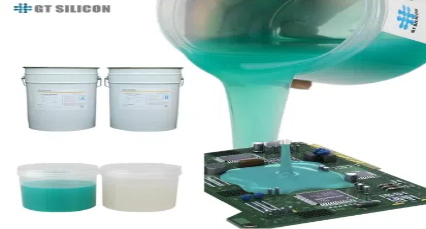
An electrical potting compound encapsulates electronic assemblies inside a protective material. Once cured, the compound forms a solid barrier that shields the PCB from environmental, mechanical, and electrical stress.
One of the primary advantages of potting is environmental sealing. The liquid compound fills all gaps and voids around components before curing. After hardening, it forms a continuous protective layer.
This barrier prevents moisture, dust, and chemicals from reaching sensitive electronics. Devices operating in outdoor environments or industrial facilities benefit significantly from this protection.
Sealing also reduces oxidation and corrosion on metal surfaces. PCB traces and solder joints remain stable over long periods of operation. As a result, device reliability improves dramatically.
Potting compounds strengthen electronic assemblies by supporting internal components. Heavy components such as transformers or capacitors become firmly anchored within the material.
Flexible potting materials absorb vibration and mechanical shock. Instead of transmitting mechanical energy directly to solder joints, the compound dissipates the energy throughout the encapsulated structure.
This feature is especially valuable in automotive electronics, industrial automation systems, and transportation equipment where constant vibration is unavoidable.
Heat management is a critical factor in modern electronics. High operating temperatures accelerate component degradation and shorten product lifespan.
Many potting materials contain thermally conductive fillers. These compounds help move heat away from sensitive components such as power transistors or processors.
Improved thermal distribution prevents local overheating. Electronic assemblies maintain more stable temperatures, improving both performance and durability.
Another important function of an electrical potting compound is electrical insulation. Potting materials typically have high dielectric strength, allowing them to withstand high voltages without breakdown.
The compound isolates conductive traces and components from each other. This prevents accidental electrical leakage or arcing between circuits.
In high-frequency applications, consistent insulation also helps maintain signal integrity. Eliminating air gaps reduces electrical noise and ensures stable signal transmission.
Potting compounds also provide a form of design security. Once electronics are fully encapsulated, accessing internal components becomes extremely difficult.
This protects proprietary circuit designs and intellectual property. Reverse engineering becomes more challenging, discouraging unauthorized duplication of electronic products.
Tip: Many manufacturers combine potting protection and intellectual-property security in the same process.
Different materials offer different performance characteristics. Selecting the right electrical potting compound depends on environmental conditions, mechanical requirements, and thermal performance.
Epoxy potting materials are widely used because of their strong adhesion and mechanical strength. They bond firmly to PCB substrates and electronic components, creating a rigid protective shell.
Epoxy compounds also resist many chemicals and solvents. This makes them suitable for industrial equipment exposed to aggressive environments.
However, epoxy systems tend to be rigid. In applications with extreme thermal cycling, designers must ensure that mechanical stress does not build up inside the assembly.
Silicone potting materials remain flexible after curing. They tolerate wide temperature ranges and maintain elasticity even under thermal stress.
Their flexibility allows them to absorb vibration and mechanical movement without cracking. Silicone compounds are often used in automotive electronics, outdoor sensors, and LED systems.
Another advantage is their resistance to ultraviolet radiation and weather exposure. This makes silicone an excellent choice for outdoor electronic equipment.
Polyurethane compounds provide a balance between flexibility and durability. They resist abrasion, moisture, and many industrial chemicals.
These materials are commonly used in consumer electronics and industrial control systems. Their moderate flexibility helps protect components from vibration while still maintaining structural stability.
Polyurethane systems are also often cost-effective compared with high-performance epoxy formulations.
Engineers must evaluate several factors when selecting a potting material. These factors determine how well the compound will perform in real operating conditions.
Material Type | Main Advantage | Typical Application |
Epoxy | High mechanical strength and chemical resistance | Industrial electronics |
Silicone | Wide temperature tolerance and flexibility | Automotive and outdoor sensors |
Polyurethane | Balanced durability and moisture resistance | Consumer and industrial devices |
Tip: Always verify compatibility between potting material and PCB components before production.
Potting technology supports reliable electronics in many industries. The need for environmental protection and long service life makes it an important manufacturing step.
Vehicles contain numerous electronic control systems. Engine control units, sensors, and power modules operate under high vibration and temperature changes.
Potting compounds protect these circuits from heat, fuel exposure, and mechanical shock. This ensures reliable vehicle operation throughout the product lifecycle.
Industrial equipment operates in environments filled with dust, oils, and chemical vapors. Electronic control panels and PLC boards must function continuously despite these conditions.
Potting compounds isolate sensitive electronics from contamination. This helps prevent unexpected equipment downtime and reduces maintenance costs.
Aerospace electronics must withstand extreme operating conditions. Rapid temperature changes, intense vibration, and high-altitude environments create demanding reliability requirements.
Potting compounds reinforce these electronic assemblies and maintain electrical insulation under extreme stress.
Medical devices require extremely reliable electronics. Sensors and control circuits must operate safely for extended periods.
Potting compounds protect these devices from moisture and mechanical damage. Consumer electronics also benefit from improved durability when used in outdoor or rugged environments.
Industry | Primary Risk | Potting Advantage |
Automotive | Vibration and heat | Structural reinforcement |
Industrial | Dust and chemicals | Environmental sealing |
Aerospace | Extreme temperature and shock | Reliability and insulation |
Medical | Moisture and sterilization | Long-term stability |
While potting improves reliability, proper design planning is essential for successful implementation.
Material properties such as viscosity, hardness, thermal conductivity, and dielectric strength influence performance. Low-viscosity materials flow easily into small gaps, while higher-viscosity materials provide stronger mechanical retention.
Thermal conductivity becomes important for power electronics that generate large amounts of heat. Engineers must balance these properties based on the device’s operating environment.
PCB design plays an important role in potting success. Adequate spacing between components allows resin to flow evenly throughout the assembly.
Vent paths help release trapped air during filling. Without proper design, air bubbles may form inside the compound and reduce insulation reliability.
A typical potting process includes mixing the compound, dispensing it into the enclosure, removing trapped air, and curing the material under controlled conditions.
Quality control measures such as visual inspection, electrical testing, and thermal cycling help ensure reliable encapsulation.
Potting has one major limitation. Once cured, the assembly becomes difficult to repair. Access to individual components may be impossible.
Manufacturers therefore perform thorough testing before potting. This ensures the circuit operates correctly before final encapsulation.
Note: Potting is often considered the final production step in electronics manufacturing.
Protection Function | Result for Electronics |
Environmental sealing | Blocks moisture, dust, and chemicals |
Mechanical reinforcement | Reduces vibration damage |
Thermal management | Improves heat dissipation |
Electrical insulation | Prevents short circuits |
Security protection | Prevents tampering and copying |
PCBs operate in environments where moisture, heat, vibration, and contaminants can slowly damage circuits and reduce device reliability. Using an electrical potting compound provides a reliable way to seal and protect sensitive components, improve insulation performance, and stabilize thermal conditions inside electronic assemblies.
Reliable potting materials also help extend product lifespan and reduce maintenance risks in demanding applications. DONGGUAN GT POLYMER MATERIALS CO.,LTD. offers advanced silicone-based potting materials designed for strong insulation, environmental sealing, and thermal stability, helping manufacturers build safer and more durable PCB systems across many industries.
A: An electrical potting compound is a resin used to encapsulate PCBs. It seals circuits from moisture, dust, vibration, and heat, improving reliability and extending the lifespan of electronic devices.
A: PCBs face humidity, vibration, and temperature changes. An electrical potting compound protects components, improves insulation, and prevents corrosion or short circuits.
A: An electrical potting compound surrounds components with protective material. It absorbs vibration, blocks contaminants, and helps manage heat inside electronic assemblies.
A: Automotive, industrial automation, aerospace, and medical electronics often use electrical potting compound to protect sensitive circuits in harsh environments.


