Views: 158 Author: Site Editor Publish Time: 2026-05-05 Origin: Site


Engineers and procurement teams often face a dual challenge when discussing fluid compatibility. They need to know if silicone elastomers can withstand various oils. Simultaneously, they must determine if Silicone Oil serves as a chemically resistant and stable fluid for specific industrial applications. Getting this wrong creates significant operational risks. Material mismatches quickly lead to catastrophic seal failures, contaminated fluid lines, and costly unplanned downtime. You cannot afford to guess when specifying materials for high-stakes environments.
This guide provides a strictly evidence-based framework to solve these challenges. We evaluate exactly how silicone rubber reacts to different oils under varying conditions. We also explore the thermal and chemical resistance of silicone fluids themselves. You will learn how to select the precise specification required for heavy industrial use or strict regulatory compliance. We aim to clarify these dynamics so you can make confident, cost-effective engineering decisions.
Standard silicone elastomers offer excellent resistance to plant-based oils and extreme temperatures but fail rapidly when exposed to hydrocarbon fuels.
The "like dissolves like" principle means Silicone Oil will aggressively degrade and swell standard silicone rubber seals.
For direct petroleum or fuel contact, alternatives like Nitrile (NBR) or upgraded composites like Fluorosilicone are mandatory.
FDA Silicone Oil provides high thermal resistance and chemical inertness, making it the standard for food-grade processing and medical fluid transfer.
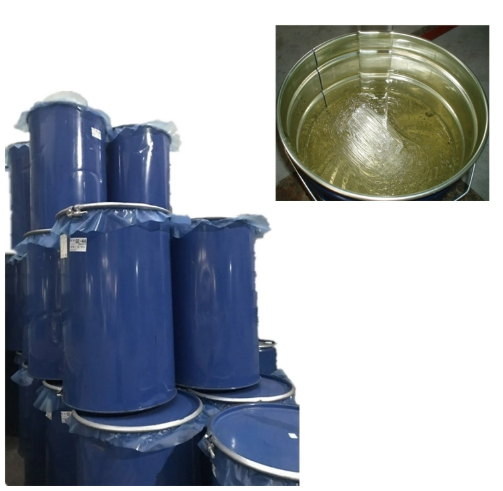
Improper lubrication causes countless hidden leaks in industrial systems. Many technicians assume you should lubricate a rubber seal using a fluid from the same chemical family. This assumption leads to a critical business problem: premature seal failure. When you expose a silicone O-ring to silicone fluids, you initiate a destructive chemical interaction.
We must look at the underlying engineering reality to understand this phenomenon. Both silicone rubber and silicone fluids share a nearly identical polymeric structure. They rely on a repeating backbone of silicon and oxygen atoms. Because their molecular structures match so closely, the fluid essentially acts as a solvent to the solid elastomer. Chemistry dictates a simple rule here: like dissolves like.
This solvent effect triggers a rapid failure mechanism. The solid rubber matrix absorbs the surrounding liquid. This absorption causes immediate volumetric swelling. The seal expands beyond its designed groove dimensions. Simultaneously, the material softens and loses its tensile strength. A swollen, soft O-ring quickly loses all sealing integrity. It will extrude from its housing or tear under pressure.
You must follow one strict actionable rule to avoid this disaster. Never lubricate a silicone seal using a silicone-based grease or liquid. You need to create a chemical mismatch to protect the seal. If you must use a silicone gasket, lubricate it using barium-based grease or standard petroleum grease. If your system requires silicone fluids for operation, switch your seal material to Nitrile (NBR) to ensure a reliable barrier.
You cannot treat "oil" as a single chemical category. Standard silicone elastomers react drastically differently depending on the specific fluid. We must categorize oil interactions by molecular polarity and physical size. This categorization establishes clear operational boundaries for your equipment.
Large, highly polar molecules cannot penetrate the dense polymer network of standard silicone. Conversely, small, non-polar molecules easily slip between the polymer chains. Once inside, they push the chains apart and degrade the material. We can break these interactions down into three distinct compatibility zones.
Compatibility Level | Fluid Examples | Operational Boundaries & Risk Factors |
|---|---|---|
Highly Compatible | Plant oils (coconut, olive, corn), animal fats, high-viscosity polar substances. | These large molecules cannot permeate the rubber. You can safely deploy silicone seals in continuous contact. They excel in commercial kitchens and food processing equipment. |
Conditionally Compatible | Standard mineral oils, transformer oils, basic motor lubricants. | Risk factor: Heat and time. These fluids remain safe at room temperature. However, high temperatures or prolonged concentration shifts them from "safe" to "degrading." Testing is mandatory. |
Strictly Incompatible | Diesel, unleaded gasoline, paint thinners, aviation fuel. | These small, non-polar molecules penetrate the matrix instantly. The rubber will swell, degrade, and rupture. You must never use standard silicone in direct fuel line applications. |
Always consult this matrix before finalizing your material specifications. A fluid considered perfectly safe in a cold environment might become highly corrosive when your system reaches peak operating temperatures. Context matters just as much as chemistry.
You must compare silicone against other industry-standard elastomers to optimize your Total Cost of Ownership (TCO). Specifying the wrong material inflates maintenance budgets through constant replacements. We use a simple Red/Yellow/Green evaluation framework to map materials against oil-heavy environments.
Green (Excellent Oil Resistance): These materials handle continuous petroleum exposure without degrading.
Nitrile (NBR): This serves as the most cost-effective standard for petroleum and mineral oil exposure. You will find NBR universally adopted across automotive and industrial sectors for basic oil sealing.
Viton (FKM): This is your premium, aerospace-grade choice. It resists extreme heat combined with harsh fuels. Specify Viton when you face aggressive chemicals where NBR would melt or dissolve.
Yellow (Conditional/Moderate Resistance): You select these when other physical traits outweigh absolute oil resistance.
Silicone, PVC, TPE: These materials offer moderate resistance. Engineers choose them when extreme temperature tolerance or intense flexibility is more critical than creating an absolute fuel barrier. They work well for incidental exposure.
Red (Avoid for Oil Applications): These materials fail completely upon oil contact.
EPDM & Natural Rubber: They suffer severe degradation over time when touching petroleum. You must strictly reserve them for aqueous, steam, or weather-exposed environments. Keep them away from machine oils.
Use this framework to balance your upfront material costs against expected lifespan. A cheap NBR seal saves money today but might fail tomorrow in an extreme-heat aviation engine. A Viton seal costs more upfront but eliminates downtime in harsh fuel systems.
Standard materials sometimes fall short of system requirements. You might need a material offering both extreme heat tolerance and aggressive fuel resistance. Alternatively, you might need a fluid offering flawless stability in sensitive medical environments. We use advanced solution approaches to bridge these engineering gaps.
Standard silicone degrades in gasoline, but automotive engines still require highly flexible, heat-resistant hoses. Engineers solve this contradiction using Fluorosilicone (FSR) composites. These composites utilize a brilliant sandwiching mechanism.
Manufacturers use standard silicone for the exterior layer to provide unmatched ambient heat resistance. They then apply a specialized fluorosilicone lining to the interior. This inner barrier actively repels chemical solvents and fuels. It prevents porosity and stops seepage entirely. You see this application primarily in high-performance automotive hoses, aerospace fuel lines, and heavy-duty engine seals.
In highly regulated industries, engineers completely shift their evaluation criteria. They do not look for a rubber to resist oil. Instead, they need the oil itself to remain chemically perfect. This brings us to FDA Silicone Oil.
Medical devices, pharmaceutical manufacturing facilities, and food processing plants operate under strict compliance standards. They cannot use traditional petroleum lubricants. Petroleum poses toxic contamination risks. Specifiers value FDA-grade silicone fluids because they act as highly stable, temperature-resistant mediums.
These fluids deliver absolute chemical inertness. They do not react with human tissue, food products, or delicate pharmaceutical compounds. They also resist oxidation at extreme temperatures. This non-toxic stability makes them the gold standard for release agents, medical fluid transfer, and compliant machinery lubrication.
Moving from theory to procurement requires a structured approach. You must translate chemical principles into practical engineering decisions. We built this implementation framework to help technical buyers finalize their sourcing strategy. Follow these critical steps before signing off on mass production.
Analyze the Temperature vs. Chemical Threat: Never evaluate chemical compatibility at room temperature alone. Heat acts as a chemical catalyst. An oil remaining completely harmless to your silicone seals at 20°C may become aggressively corrosive at 150°C. Map your fluid exposure against your maximum operating temperatures.
Define the Static vs. Dynamic Application: Assess how your seals physically operate in the machine. A swelled silicone O-ring might successfully hold a static (stationary) seal temporarily by wedging tighter into its groove. However, it will sheer, tear, and fail immediately in a dynamic (moving) application due to extreme friction.
Calculate TCO and ROI Drivers: Balance your immediate procurement budget against long-term maintenance realities. Evaluate the low upfront cost of standard Nitrile against the extended lifespan of Viton or Fluorosilicone. Extreme environments justify premium materials because they prevent catastrophic factory downtime.
Execute Shortlisting Logic: Never trust theoretical charts blindly. You must mandate environmental simulation testing before authorizing mass procurement. Request prototype samples from your supplier. Subject them to your exact system pressure, specific fluid mixtures, and maximum operating temperatures to validate true performance.
Following these four criteria prevents costly post-production redesigns. It ensures your chosen materials align perfectly with both physical realities and budgetary constraints.
We must recognize that oil resistance is never a simple binary trait. It remains a dynamic, shifting calculation based on temperature thresholds, molecular polarity, and precise fluid types. Standard silicone performs brilliantly around plant oils but degrades rapidly around hydrocarbon fuels. Understanding these boundaries ensures operational safety and equipment longevity.
Technical buyers and engineers should take immediate action based on these realities. First, audit your current industrial fluid exposures to identify any hidden material mismatches. Second, cross-reference your findings against the chemical compatibility matrix provided above. Finally, reach out to material suppliers to request prototype samples for rigorous environmental stress testing. Validating your materials today prevents catastrophic system failures tomorrow.
A: No. Standard silicone is porous to oils. The polymer network allows small hydrocarbon molecules to penetrate the material easily. A specialized hose with a fluorosilicone inner lining is required to prevent weeping and degradation. This lining creates a chemical barrier against fuel.
A: It possesses poor heavy-load lubricity compared to petroleum. Furthermore, it cannot effectively suspend essential anti-wear additives. It is also completely immiscible with petroleum products, violating standard engine oil requirements. Mixing them causes immediate fluid separation and engine damage.
A: Yes. Properly refined, food-grade silicone oil is chemically inert and completely non-toxic. It remains highly stable under intense thermal stress. It fully complies with strict FDA regulations for use as a release agent or direct machinery lubricant in food processing environments.


