


The term "oil" creates immediate confusion for many engineers and procurement teams. You might assume it comes from refined crude or an aqueous base. However, Silicone Oil is neither petroleum-based nor water-based. It is a fully synthetic siloxane polymer. Selecting the wrong fluid base can lead to catastrophic seal failure, severe product contamination, or expensive compliance breaches. You need to know exactly what goes into your machinery. Hydrocarbon oils degrade certain rubbers. Aqueous fluids evaporate or freeze under stress. A siloxane polymer avoids these specific pitfalls. This article provides you with a clear framework. We will help you evaluate, shortlist, and implement these specialized fluids. You will understand how to match them to your specific application requirements. By doing so, you optimize your total cost of ownership while avoiding critical system incompatibilities.
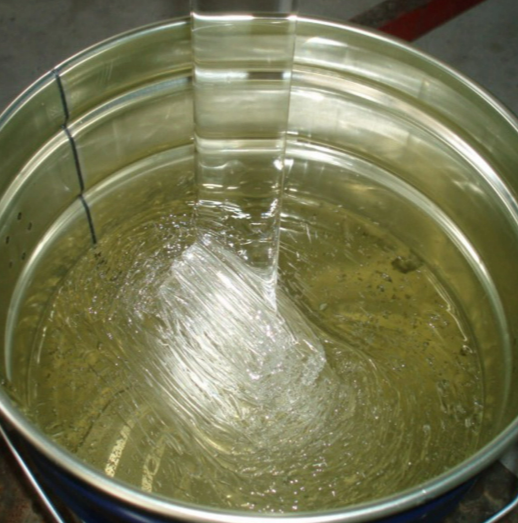
Chemical Base: Silicone oil is primarily based on polydimethylsiloxane (PDMS), meaning it contains no petroleum hydrocarbons or water, granting it unique thermal and chemical stability.
Material Compatibility: It is the go-to solution for lubricating plastic and rubber components that would rapidly degrade if exposed to standard petroleum-based oils.
Regulatory Compliance: Sourcing FDA Silicone Oil requires strict verification of purity standards (e.g., 21 CFR compliance) for food processing, cosmetic, or medical device applications.
ROI Profile: While carrying a higher upfront cost than mineral oils, its extended lifecycle and resistance to extreme environments dramatically lower long-term maintenance costs.
To evaluate this fluid properly, we must first look at its molecular structure. Traditional mineral oils rely on a carbon-to-carbon backbone. In contrast, synthetic silicone fluids rely on a backbone of alternating silicon and oxygen atoms. Chemists refer to these structures as siloxanes. The most common variation used in industrial applications is polydimethylsiloxane (PDMS). Because PDMS lacks a carbon backbone, it behaves completely differently than standard petroleum lubricants.
This synthetic polymer foundation directly dictates performance. The silicon-oxygen bond is exceptionally strong. It requires significant energy to break apart. This structural strength translates directly into high compressibility and excellent shear stability. You can subject the fluid to intense mechanical stress, and its molecules will not tear apart. Furthermore, this base makes the fluid chemically inert. It does not readily react to surrounding materials, acids, or atmospheric oxygen.
We also need to dispel a persistent myth. Because it is a highly stable synthetic polymer, it cannot be mixed with water. It also refuses to mix with standard petroleum fluids. If you pour a siloxane polymer into a reservoir containing mineral oil, the two fluids will separate. They form distinct layers. Establishing this baseline rule is crucial for system integration. You must thoroughly flush old hydrocarbon fluids from your machinery before introducing a siloxane-based alternative.
Engineers often default to standard hydrocarbons due to familiarity. However, specific operational thresholds justify moving away from standard oils. You must define clear success criteria based on your operational environment. If your machinery faces extreme temperatures, harsh chemicals, or sensitive plastics, traditional fluids will fail.
Extreme temperature requirements serve as the primary driver for this switch. Hydrocarbon oils thicken in the cold and thin out excessively in the heat. A siloxane polymer features a remarkably flat viscosity-temperature curve. It remains stable and fluid at -40°C. It continues to perform reliably at temperatures exceeding 200°C. This makes it invaluable for aerospace mechanisms, industrial ovens, and cryogenic freezers.
Dielectric applications represent another major use case. High-voltage electronics and industrial transformers require insulating fluids. Standard oils can break down under electrical stress. A synthetic siloxane polymer offers exceptionally high dielectric strength. It effectively insulates electrical components, prevents arcing, and dissipates heat without degrading.
Material compatibility mandates also force procurement teams to rethink their fluid choices. Many modern machines utilize EPDM, Neoprene, or specialized plastic components. When standard hydrocarbon oils touch these materials, they cause severe swelling, cracking, or embrittlement. Siloxane polymers remain perfectly neutral. They lubricate sensitive O-rings and plastic gears without altering the physical properties of the elastomer.
Operational Condition | Standard Mineral Oil | Synthetic Siloxane Polymer |
|---|---|---|
Temperature Range | -10°C to 120°C (fluctuates heavily) | -40°C to 200°C+ (remains highly stable) |
Dielectric Strength | Moderate; risks degradation over time | Excellent; ideal for high-voltage transformers |
EPDM/Neoprene Contact | Causes swelling and structural failure | Safe; neutral and non-reactive |
Water Miscibility | Separates (but holds some moisture) | Strictly separates (highly hydrophobic) |
Not all siloxane fluids are created equal. Procurement teams must understand the clear distinction between standard industrial grades and highly refined regulated grades. Industrial variations often contain trace impurities or lower-grade additives acceptable for heavy machinery. Specialized applications demand rigorous purification processes to strip away these volatile byproducts.
Food processing facilities face strict regulatory standards. If your equipment operates over food production lines, you must source compliant fluids. The FDA Silicone Oil standard applies specifically to incidental food contact. Regulations like 21 CFR 178.3570 govern these H1 lubricants. Facilities use them as release agents on baking sheets, lubricants for conveyor chains, and sealants in packaging machinery. Using non-compliant industrial fluids in these zones risks massive product recalls and heavy fines.
Medical and cosmetic applications push purity thresholds even higher. Skin creams, topical ointments, and medical device lubricants rely heavily on PDMS. The base fluid must be completely non-toxic and hypoallergenic. Pharmaceutical manufacturing environments use it to lubricate syringes or coat surgical tubing. Any trace impurities could trigger severe adverse reactions in patients.
To mitigate compliance risks, you must enforce strict verification requirements. Never take a supplier's marketing claims at face value. Follow a rigorous validation process:
Request a Certificate of Analysis (CoA): Demand batch-specific documentation proving the exact chemical makeup and purity level.
Verify NSF Registration: Check the NSF database to confirm the fluid officially holds an H1 designation for incidental food contact.
Audit the 21 CFR Status: Ensure the manufacturer explicitly lists compliance with FDA regulation 21 CFR 178.3570 on their technical data sheet.
Check ISO Certifications: Confirm the vendor manufactures the fluid in an ISO 9001 or ISO 13485 certified facility.
Once you clear compliance hurdles, you must evaluate the fluid's physical properties. Matching the correct physical property to the mechanical load ensures long-term reliability. Viscosity selection serves as the most critical evaluation dimension. Engineers measure this in centistokes (cSt). You can source this fluid in a massive range of thicknesses.
A 5 cSt fluid flows like water. You would use it for light lubrication or as a base for cosmetic sprays. A 350 cSt fluid resembles light syrup. Engineers specify this for standard mechanical lubrication. A 1,000,000 cSt fluid feels like a thick, unyielding gel. You use this ultra-thick variant for severe mechanical damping, such as in heavy machinery shock absorbers or viscous couplings. Matching the centistoke rating to your specific load dictates system performance.
Next, you must assess compatibility risks. We previously established its safety with EPDM and plastics. However, you must observe the "Silicone-on-Silicone Rule." Never use this fluid to lubricate silicone rubber seals. Because they share a nearly identical chemical structure, the fluid will dissolve into the rubber. This causes severe swelling, softening, and rapid catastrophic failure of the O-ring or gasket.
Finally, evaluate volatility and outgassing. When exposed to high temperatures, lower-quality fluids experience weight loss. They release volatile compounds into the air in a process called outgassing. This proves highly detrimental in cleanroom manufacturing or high-vacuum environments. Vaporized molecules can settle on sensitive optical lenses or microchips, ruining the production batch. Procurement must select highly refined, low-outgassing variants for these sensitive zones.
Transitioning to a siloxane-based fluid requires careful facility management. Introducing this chemical into certain manufacturing environments carries specific implementation risks. You must understand how to handle, isolate, and eventually clean these fluids.
The contamination risk remains the largest threat to facilities with painting or coating operations. Siloxane fluids possess exceptionally low surface tension. They creep and spread easily. If an aerosolized droplet lands on a car panel or sheet metal, it repels paint. This creates a highly visible defect known as a "fisheye." Facilities with active coating lines require strict isolation protocols. You must keep siloxane lubricants far away from paint booths to prevent millions of dollars in defective finishes.
Cleaning and remediation present distinct challenges. Because it is highly hydrophobic and chemically inert, you cannot wash it away with water. Standard industrial degreasers often fail to break it down. It is notoriously difficult to remove from factory floors or machinery exteriors. Your maintenance team will require specialized solvents formulated specifically to break silicon-oxygen bonds.
When selecting a supplier, procurement must utilize strict shortlisting logic to avoid substandard products. Adopt the following vendor shortlisting criteria:
Demand exact formulation transparency: Ensure the vendor provides clear documentation proving the product contains no hidden hydrocarbon blends or cheap fillers.
Evaluate supply chain stability: Verify the vendor can consistently provide your specific viscosity grade (cSt) without sudden backorders.
Require rigorous sample testing: Always demand physical samples before committing to a bulk purchase. Test the sample for thermal degradation and material swelling under your exact operational conditions.
Review handling documentation: Ensure the supplier provides comprehensive Safety Data Sheets (SDS) outlining proper cleanup and containment procedures.
Understanding what your fluid is based on serves as the first critical step in mechanical design. Because it lacks carbon hydrocarbons or an aqueous base, a synthetic siloxane polymer safely bypasses the traditional limitations of mineral oils. You avoid critical system incompatibilities by keeping it away from silicone rubbers while leveraging it safely alongside EPDM and sensitive plastics.
The true value of this fluid lies in its uncompromising stability. Whether you face extreme thermal fluctuations, demand rigorous FDA compliance grades, or require immense dielectric strength, it delivers predictable performance. Though the initial purchase price is higher, its extended lifecycle and ability to prevent unplanned downtime ensure long-term cost efficiency.
To move forward, define the specific operational thresholds of your machinery. Advise your decision-makers to formally request technical data sheets (TDS) and safety data sheets (SDS) from qualified vendors. Secure test samples matching your required viscosity. By validating these fluids in your specific operational environment, you will guarantee a successful, compliant, and cost-effective implementation.
A: No. It is entirely synthetic. It is based on a polymer structure of alternating silicon and oxygen atoms, unlike traditional petroleum oils which rely on a carbon-heavy molecular backbone.
A: Yes. FDA-compliant variants retain exceptional thermal stability. They can safely operate in high-temperature food processing environments like industrial ovens or fryers while maintaining their 21 CFR incidental food contact compliance.
A: It is generally highly compatible and safe for most plastics and rubbers, including EPDM and Neoprene. However, you must never use it on silicone-based rubbers, as it will cause severe swelling and rapid deterioration.
A: No. These fluids are not miscible. Because of their completely different chemical bases, mixing them will cause the fluids to separate into distinct layers, severely compromising lubrication performance.


