Views: 139 Author: Site Editor Publish Time: 2026-03-13 Origin: Site


Potting protects electronics well, but it also creates a problem later. Once an electrical potting compound fully cures, repair work becomes harder, slower, and more risky for the board and nearby parts.
This article explains that challenge in a clear way. You will learn how to remove electrical potting compound more safely, which methods work best, and how to reduce damage during repair, testing, or rework.
Before we compare each method, it helps to see the big picture. Heat, solvents, and hand tools all work in different ways. Some soften the bond. Some weaken the material. Some simply break it apart in small steps. In most B2B repair settings, the safest path is gradual, local, and reversible whenever possible.
Method | Best For | Main Advantage | Main Risk |
Mechanical removal | Small areas, edge access, soft compounds | High control | Scratched traces or broken joints |
Controlled heat | Epoxy or urethane that softens | Faster separation | Thermal shock or overheated PCB |
Chemical solvents | Silicone, polyurethane, some epoxy systems | Deep penetration | Plastic damage, fumes, residue |
Cryogenic cracking | Hard, brittle compounds | Helps crack stubborn layers | Frostbite, PCB stress |
Hybrid process | Thick or high-adhesion potting | Highest success rate | More steps to manage |
Mechanical removal is often the first hands-on step. It works best when the potting sits near an edge, covers a small area, or has already been softened by heat or solvent. Teams use picks, scrapers, chisels, and fine hand tools to lift the material layer by layer. This gives strong control, which matters near tiny pins or fragile solder joints. Still, it is slow work. If you rush, they can scratch copper, lift pads, or spread debris across the board. For delicate zones, non-metal tools are often safer.
Controlled heat is useful for many epoxy and urethane systems. A heat gun softens the material by thermal expansion and lowers bond strength, so you can separate it more easily. The key word is controlled. Most guidance points to gradual heating, local focus, and close temperature tracking. Thermocouples or infrared thermometers help keep the board inside a safer window. Many sources mention around 150°C as a working point, while also warning not to push most PCBs past roughly 200°C. Heating cycles and cooling breaks also reduce thermal shock.
Solvents can weaken or soften the bond, but they are never a magic shortcut. Their success depends on the resin family. Common examples include acetone, MEK, IPA, and specialized removers, while many guides also warn that some chemicals can damage plastics or even the board resin itself. In practice, silicone and some polyurethane systems respond better than hard epoxy. Soaking may take hours, and thick sections often need repeated cycles. After treatment, residue must be cleaned well. If it stays on the board, it can lead to corrosion, contamination, or poor rework quality later.
Freezing methods are more specialized. Dry ice mixed with IPA, or even lower-temperature systems, can make some hard potting compounds brittle enough to chip away. This can help on stubborn epoxy layers that resist normal scraping. The trade-off is stress. Extreme cold can crack solder joints, stress laminates, or damage sensitive packages. Flexible silicone often will not respond well, so this is not a universal answer. For most teams, freezing should be a backup option, not the first move, and it should only be used when the assembly can handle rapid temperature change.
The most reliable approach is often a hybrid one. Hard jobs rarely yield to one method alone. A team may start by identifying the resin, then soften it chemically, apply gentle heat to improve penetration, and finally use picks or a rotary tool for local removal. This staged approach takes more planning, but it gives better control. It also lowers the urge to force progress. In real rework work, patience is often cheaper than replacing a board after one aggressive mistake.
Tip: For high-value boards, run a small coupon test first. It helps you estimate time, damage risk, and whether repair still makes business sense.
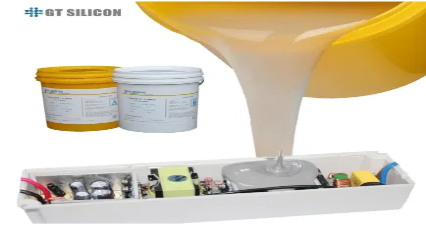
Material identification should come before tool choice. If you skip this step, you may waste hours or damage the assembly using the wrong process. Most practical guidance separates three common families: epoxy, polyurethane, and silicone. Their behavior under heat, pressure, and solvent is very different.
Potting Material | Typical Feel | Removal Difficulty | Common Response |
Epoxy | Hard, rigid | Highest | Heat, stronger solvents, staged removal |
Polyurethane | Tough, rubbery | Medium | Solvent response varies, may soften |
Silicone | Soft, gummy, flexible | Lowest | Often easier to cut, peel, or pick |
Epoxy is usually the hardest and most permanent. It gives great protection, but it is also the most difficult to remove. Polyurethane often feels tougher and more rubbery. It may respond to solvents better than epoxy, but results vary by formula. Silicone is usually the most reworkable. It is softer, more flexible, and often easier to cut or peel in sections. This difference matters because the wrong assumption leads to the wrong tool. A solvent that barely touches epoxy may work much better on a softer system.
You do not always need a full lab test to make a practical first decision. Start with simple hardness and solvent checks. Try a light scratch or press test. If an indentation remains, the material may be silicone or soft polyurethane. Then use a cotton swab and a small amount of solvent on a test spot. If the surface softens or swells, it likely is not a hard epoxy. If almost nothing changes, a more chemically resistant resin is more likely. These quick checks save time and help avoid poor first choices.
Once you identify the material, the next step becomes much clearer. Silicone often supports careful cutting, peeling, or solvent-assisted lifting. Polyurethane may need a mixed path, using solvent and light heat. Epoxy usually demands the most caution and the most patience, often through staged heat, stronger chemical options, and controlled mechanical work. This is the point where a good technician slows down. The removal plan should fit the compound, the value of the board, and the risk the customer can accept.
Note: If the board value is low and the resin looks like hard epoxy, replacement can be cheaper than deep rework.
A solid setup usually includes more than one tool class. Heat guns help soften many compounds. Picks, scrapers, and dental tools help lift small sections. Rotary tools or micro-abrasive methods can help on stubborn areas, though they need a careful hand. Ultrasonic cleaning may also help on small or intricate parts, especially when multiple cleaning cycles are acceptable. Temperature monitoring tools matter too. Without them, heat removal becomes guesswork. In B2B work, repeatability matters, so even a simple infrared thermometer can improve process control and reduce avoidable damage.
PPE is not optional here. Heating and solvents can release harmful fumes, and sharp tools can easily injure hands or eyes. Good practice includes nitrile gloves, safety goggles, respiratory protection such as a P100 mask, and strong ventilation or fume extraction. That advice is especially important when solvents sit for hours or when heat cycles repeat many times. Waste handling matters too. Solvent rags, removed resin, and used containers must be disposed of correctly. Good removal work protects the worker as much as the board.
Protection is more than wearing gloves. It also means protecting the assembly itself. Mask adjacent components before scraping. Use ESD controls on exposed electronics. Work in shallow passes, not deep cuts. Stop often to inspect progress under magnification. When heat is involved, keep it local and brief. When solvent is involved, avoid flooding nearby plastics unless you already tested compatibility. Debris from mechanical removal can contaminate the board, so cleanup should happen during the process, not only at the end.
Tip: Build a written rework checklist for repeated jobs. It improves consistency across operators and lowers avoidable process drift.
Most failure points come from three sources: too much heat, the wrong chemical, or too much force. Overheating can weaken solder joints or stress the laminate. Solvents can corrode traces, damage plastics, or leave harmful residue if not cleaned well. Mechanical tools can scratch components, lift pads, or spread conductive debris. None of these risks are rare. They are exactly why removal should move from least destructive to more aggressive steps. A fast shortcut may save ten minutes now and create hours of failure analysis later.
Some methods appear online because they worked once for someone, not because they are good practice. Hammering, highly aggressive chemical baths, and extreme processes requiring lab conditions are all high-risk choices. Even when they remove material, they can destroy the very part you wanted to save. For B2B readers, this matters even more. Customer boards carry cost, traceability needs, and reliability expectations. A risky hobby method may be acceptable on scrap electronics, but it is rarely acceptable on production or warranty work.
There are clear warning signs during removal. Stop if the board resin begins to discolor, if pads move, if solder joints crack, or if solvent starts affecting nearby plastic parts. Stop if you smell strong fumes despite local ventilation. Stop if each pass removes almost nothing and risk keeps rising. A pause is not failure. It is process control. Reassess the material type, test a smaller area, or change method order. In many cases, knowing when to stop prevents the most expensive type of damage: hidden reliability loss.
Post-removal cleaning is part of the repair, not an afterthought. Remaining solvent or softened compound should be removed thoroughly before testing or reassembly. In some cases, technicians use IPA and even ultrasonic cleaning steps to clear residue from tight spaces. The reason is simple. Leftover film can trap contamination, hold moisture, or interfere later with bonding, coating, or electrical reliability. A board may look clean on top and still fail later if residue remains under components or around leads.
Once the compound is off, the job still is not done. Start with a close visual inspection. Look for lifted pads, cracked solder joints, bent leads, or scratched traces. Then move to continuity checks and, when suitable, functional testing. This order matters because it catches simple faults early and avoids powering a damaged board too soon. For service teams, documented inspection points also help justify repair decisions to customers or internal quality staff.
The easiest removal job is the one you never need to fight. Designing for serviceability and considering reworkable options for future builds can save major time later. Silicone thermal potting compounds, thermal gels, phase-change materials, and gap filler pads can all reduce the “locked forever” problem in some applications. They may not fit every design, but they are worth reviewing when repair access matters. For OEMs and contract manufacturers, this is a strategic lesson. Material choice today can shape warranty cost, field repair time, and product lifecycle value later.
Post-Removal Step | What to Check | Why It Matters |
Residue cleanup | Solvent film, softened resin, debris | Prevents corrosion and contamination |
Visual inspection | Pads, traces, solder joints, packages | Finds visible process damage |
Electrical checks | Continuity, isolation, power behavior | Confirms safe rework status |
Future material review | Reworkable potting or thermal interface choice | Reduces next repair cost |
Professional help is often the right call for high-value boards, dense assemblies, hazardous chemistries, or jobs requiring advanced lab equipment. Repair specialists, engineering firms, recycling companies, and research labs may all be useful partners, depending on the goal. This is especially relevant when the board has safety, warranty, or certification impact. In those cases, professional removal is not just a technical service. It is a risk-control decision. If failure would cost far more than the service fee, outsourcing the removal is often the smarter business move.
Note: Ask vendors for SDS, cure chemistry, and rework guidance before production. That small step can cut future repair cost by a wide margin.
Removing electronic potting compound safely starts with the right material choice, a careful method, and steady process control. Better planning reduces board damage, repair cost, and downtime.
For brands that need reliable protection and easier application, DONGGUAN GT POLYMER MATERIALS CO.,LTD. offers silicone potting compounds with strong insulation, heat resistance, low shrinkage, and flexible customization. Its fast sampling, OEM/ODM support, and stable supply help buyers improve product reliability and service value.
A: An electrical potting compound is a resin that protects electronic parts from moisture, heat, dust, and vibration.
A: Remove electrical potting compound in stages, using heat, solvents, or careful mechanical tools based on the material type.
A: Electrical potting compound is made to bond tightly and resist heat, chemicals, and impact during service.
A: Cost depends on board value, resin type, labor time, and the risk of damaging components.
A: Use a specialist when the assembly is valuable, dense, safety-critical, or too risky for DIY rework.


